7 Tips for Choosing a Textile Industry Dyeing Process

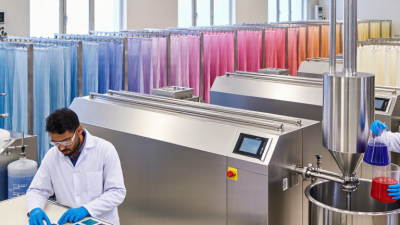
Choosing a textile industry dyeing process affects more than the final color. It influences shade consistency, fabric feel, production time, water use, and cost. A cotton jersey and a polyester lining may need different dyes, temperatures, and equipment. Even two cotton fabrics can behave differently if their construction or pretreatment differs. Details matter.

This guide explores seven practical considerations, from fiber type and target shade to machinery, dye selection, and quality checks. It also looks at production scale, resource use, and the value of testing before a full batch. A lab dip can reveal uneven color or an unexpected shade shift before meters of fabric are processed. Still, a successful sample does not guarantee identical results on a running production line. That gap deserves attention.

The best choice balances product requirements with the mill’s actual capabilities. Check supplier specifications, confirm process settings with qualified staff, and record results so future batches can be compared. Review colorfastness needs for the product’s intended use, rather than relying on appearance alone. Some trade-offs remain: a process that gives excellent shade depth may require more time or resources. There is no universal shortcut. These tips provide a useful starting point, but fabric trials and careful measurement should guide the final decision.
7 Tips for Choosing a Textile Industry Dyeing Process

Understand the Fiber Type and Its Dyeing Requirements

Fiber choice is not a label-checking exercise; it determines dye chemistry, pretreatment, and processing temperature. Textile Exchange’s Materials Market Report 2024 estimated global fiber production at 124 million tonnes in 2023, with polyester accounting for 57% and cotton 22%. These fibers dominate volume, but they do not share a dyeing recipe.

Cotton and other cellulosic fibers commonly use reactive dyes, which bond with the fiber under alkaline conditions. Thorough rinsing matters because unfixed dye can cause wash staining. Polyester usually requires disperse dyes and high-temperature processing, often around 130°C in pressurized equipment. Wool is different: acid dyes and carefully controlled pH help limit damage, shrinkage, and uneven shades. Small changes matter.

Blends deserve extra attention. A polyester-cotton fabric may need two dye classes and carefully sequenced conditions; otherwise, one component can look dull or uneven. Check the actual fiber percentages, not just the fabric’s trade description, and review any finish that could block dye uptake. Make a lab dip, then test washing, rubbing, and lightfastness using suitable textile test methods. A lab result can still mislead: production machines heat and circulate liquor differently, so confirm the shade on a representative bulk trial.
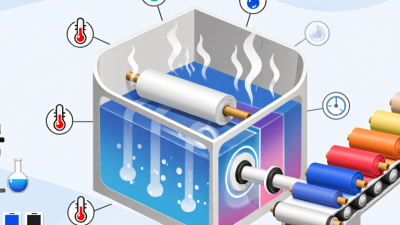

Compare Dyeing Methods for Yarn, Fabric, and Garments

7 Tips for Choosing a Textile Industry Dyeing Process

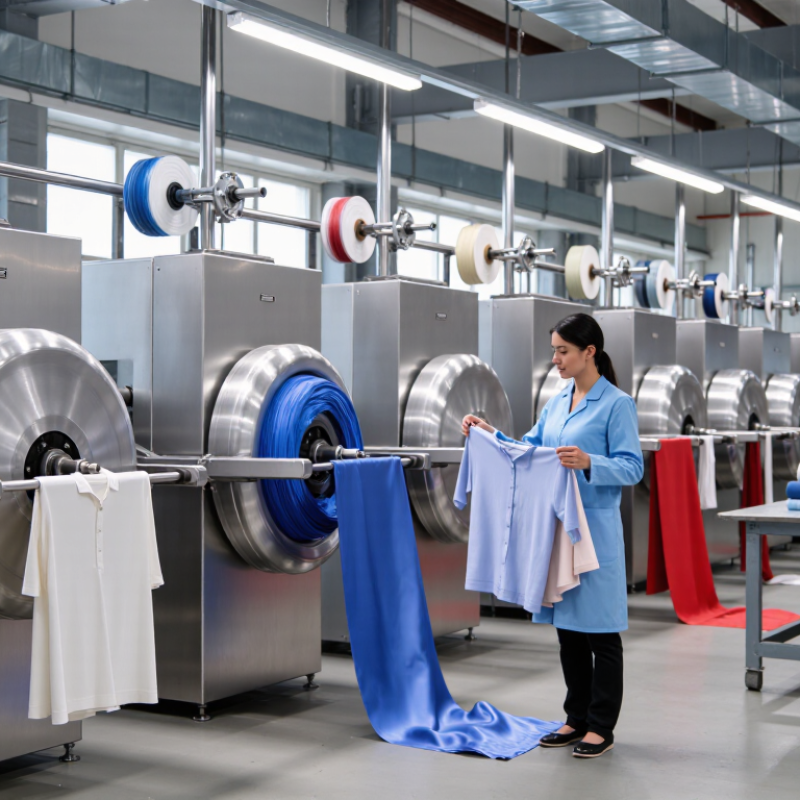
Compare dyeing methods by the stage where color must reach the material. Yarn dyeing colors fibers before knitting or weaving, creating clear stripes and checks. Fabric dyeing suits larger, continuous runs and provides an even base shade. Garment dyeing colors sewn pieces, making small collections and varied effects easier to produce. Small lots matter. Textile Exchange’s Materials Market Report 2024 estimates that global fiber production reached 124 million tonnes in 2023. At this scale, matching the process to the product can help limit rework and wasted material.

Tips: Test a yarn, fabric, or finished garment before approving bulk production. Check shade consistency, shrinkage, hand feel, and colorfastness. Confirm the equipment can handle the order size and fabric construction.

A process that works on loose yarn may behave differently on a dense, finished garment. Seams and folds can take up dye unevenly, while fabric dyeing may reveal streaks across a wide roll. Compare sample results under consistent lighting, and record the dye recipe and processing conditions. Ask suppliers for trial data, not just a color swatch. Lower water or energy use can be valuable, but only when quality remains acceptable. There is no perfect route; a small, documented trial can expose trade-offs before they become costly.

Evaluate Color Accuracy, Fastness, and Process Consistency

Choosing a dyeing process means checking more than whether a shade looks right under one lamp. Compare lab dips with production fabric under daylight and indoor lighting; a color can shift between them. Record color values with a spectrophotometer, but inspect the cloth by eye as well. Numbers help. They do not settle everything.

Tip: Test fastness against the fabric’s actual use. Check washing, rubbing, perspiration, or light exposure as relevant, and note the test conditions. A dark sample may look excellent yet transfer color when rubbed damp. That is easy to overlook during a quick review. Set acceptable limits before production, rather than explaining away poor results later.

Tip: Run repeat batches and compare shade, hand feel, and edge-to-center variation. Log dye concentration, liquor ratio, pH, and the temperature curve so differences can be investigated. Sample at consistent points in the process. A small shift may come from preparation, not the dye itself. I would still avoid assuming every variation has one clear cause; production conditions can interact, and records may reveal an imperfect process rather than a simple fix.

Assess Water Use, Energy Demand, and Environmental Impact

Choosing a dyeing process means measuring more than shade consistency. Record water and energy per kilogram of finished fabric, then compare wastewater volume, temperature, color, and chemical load. The European Environment Agency’s 2022 report estimates that EU textile consumption in 2020 required about 9 cubic metres of water per person. That figure covers the wider textile lifecycle, not dyeing alone, but it shows why process-level measurements matter. Ask suppliers for metered production data, not just laboratory results.

The World Bank’s 2019 overview identifies textile wet processing as a major source of water pollution, while noting that pollution estimates vary by method and region. A lower-water process is not automatically cleaner: concentrated baths, extra rinses, or high-temperature drying can shift impacts elsewhere. Check whether salt, auxiliaries, and heat demand fall alongside water use. Compare a pilot batch with a conventional batch using the same fabric and shade. The first trial may disappoint. That is useful evidence, not failure. Some factories also lack reliable meters, so document gaps rather than presenting estimates as exact figures. Readings from one production line can reveal where water or heat is being lost.

Choosing a Textile Dyeing Process: Water and Energy Use

Representative estimates per kilogram of dyed fabric. Lower water and energy demand can reduce freshwater pressure, wastewater volumes, and process-related emissions. Actual results vary with fiber, shade, machinery, and mill practices.

Values are indicative comparisons, not universal process specifications. Assess effluent treatment, chemical selection, and dye fixation alongside resource use when choosing a process.

Balance Production Costs, Equipment, and Delivery Needs

Choosing a textile dyeing process means weighing more than chemical price. A batch method may suit varied orders, while continuous dyeing can lower unit costs on stable, large runs. But changeovers, water use, energy demand, and rework can erase that advantage. Calculate cost per saleable metre, not per dye bath. Small details matter.

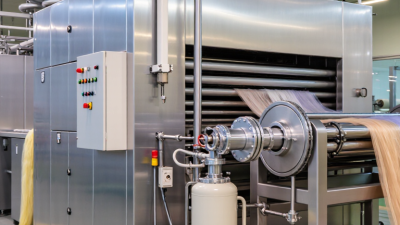
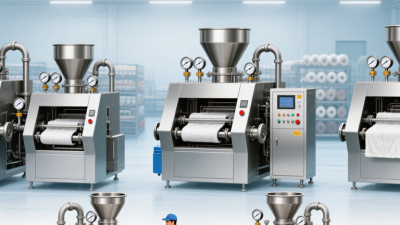
Match the process to equipment already installed where possible. Check working width, fabric weight range, heating capacity, liquor ratio, and controls before approving a recipe. A machine running near its limits may create uneven shade or slow the line. Ask operators how long loading, cleaning, and shade correction actually take; spreadsheets often miss these minutes. Test a real lot.

Delivery needs should shape the decision too. For urgent replenishment, flexible batch dyeing may be safer. A faster line can still require lengthy preparation or large minimum runs. Include time for lab dips, wash-off, drying, and final inspection in the promised date. Shade approval sometimes slips. That happens. Record actual cycle times for the next order, even if the first estimate proves wrong.

Scroll to Top