How to Choose Textile Dyeing Methods in 2026?
Choosing a textile dyeing method in 2026 requires more than matching a colour card. It demands evidence.
Textile Exchange’s Materials Market Report 2024 recorded global fibre production at 124 million tonnes in 2023. It projects production could reach 160 million tonnes by 2030. That growth increases pressure on dyehouses, water systems, and chemical management. UNEP estimates that fashion contributes 2–8% of global greenhouse-gas emissions. Dyeing is only one stage, but it can strongly influence water, energy, and wastewater performance.
The right method depends on fibre chemistry, shade depth, order volume, and factory capability. Reactive dyes suit cotton, while disperse dyes usually serve polyester. Pigment systems can reduce water use, yet they may affect softness and rubbing fastness. Dope dyeing can avoid repeated wet processing, but it requires colour planning before spinning. Digital textile dyeing may reduce sampling waste, though equipment cost and pretreatment remain important.
Professor Richard Blackburn of the University of Leeds has repeatedly stressed, “There is no silver bullet.” That warning matters. A low-water process is not automatically sustainable if its chemicals, energy source, or durability perform poorly. The ZDHC MRSL, ISO 14001 systems, wastewater testing, and supplier records can support more reliable decisions. Still, certificates do not replace factory visits or batch-level data.
Small details matter. Check the rinse-water temperature. Inspect shade consistency under daylight. Ask where rejected liquor goes. Some choices remain imperfect. That is the honest starting point for selecting textile dyeing methods in 2026.

Textile Dyeing Methods: Definitions, Purposes, and Key Differences
How to Choose Textile Dyeing Methods in 2026?
Textile Dyeing Methods: Definitions, Purposes, and Key Differences
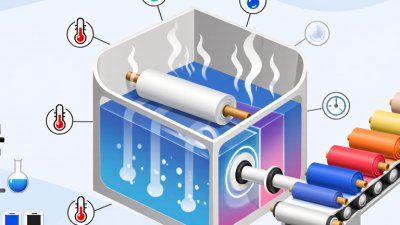
Textile dyeing means adding color to fibers, yarns, fabrics, or finished garments. The selected stage changes the final appearance, cost, and production flexibility. Fiber dyeing colors loose fibers before spinning. It creates excellent blending effects and strong color uniformity. However, it requires accurate forecasting and can leave unused colored stock.
Yarn dyeing colors threads before weaving or knitting. It suits stripes, checks, and detailed patterns. The process often provides sharper designs than piece dyeing. Piece dyeing colors completed fabric in rolls. It is widely used for solid shades and offers efficient shade changes. Garment dyeing happens after sewing. It can create soft, casual effects, but seams and accessories may absorb color differently.
The dye class also matters. Reactive dyes form chemical bonds with many cellulosic fibers. They provide bright shades and good wash fastness. Disperse dyes work mainly with synthetic fibers through heat-based diffusion. Vat dyes can deliver strong durability, though their processing needs careful control. Pigment coloration sits on the surface and usually needs a binder.
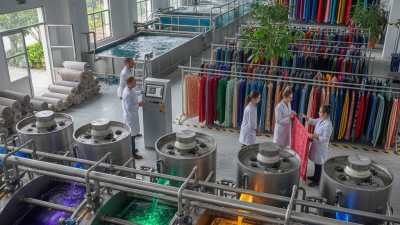
A practical selection starts with fiber content, order size, shade depth, and performance requirements. Laboratory trials should check rubbing, washing, light exposure, and shrinkage. Production records must include temperature, pH, liquor ratio, and dosing accuracy. Small errors become visible as streaks or uneven edges. No method is universally best. Even experienced teams sometimes choose a process that looks efficient but wastes water or creates rework. That result deserves review, not excuses.
How to Select Dyeing Methods by Production Stage
Choosing a dyeing method starts with the production stage, not color preference. At the fiber stage, solution dyeing suits synthetic fibers needing consistent shades. Pigment or masterbatch is added before extrusion. Color penetration is strong, but late shade changes become expensive. It is a poor fit for frequent small orders. Do not ignore this trade-off.
Yarn dyeing works well for stripes, checks, and knitted patterns. It gives clear color definition before weaving or knitting. However, extra handling can increase lead time and waste. Fabric dyeing is often more efficient for solid shades and flexible schedules. Jet, jigger, pad, or foam processes should match the fiber blend, fabric weight, and required fastness. A lab dip should test shrinkage, rubbing, washing, and batch repeatability. Small errors appear larger after finishing.
Garment dyeing suits completed cotton-rich pieces when a worn, uneven character is wanted. It can reduce leftover colored inventory, but seams and accessories may react differently. Test the full garment, not only a fabric swatch. My early assumption was that the cheapest stage was always best. Production trials proved otherwise. Labor, reprocessing, water use, shade correction, and delivery risk can change the calculation. Record machine settings, liquor ratio, temperature curves, and operator observations. Reliable decisions come from comparable records, not memory.
How to Compare Color Quality, Cost, Sustainability, and Efficiency
Choosing a textile dyeing method in 2026 requires more than matching a shade. A practical comparison should examine color quality, cost, sustainability, and efficiency together. For quality, specify CIEDE2000 Delta E, wash fastness, light fastness, and lot-to-lot consistency. A low Delta E is not enough. Uneven edges or weak rubbing fastness can still cause returns. ISO 105 test methods and calibrated spectrophotometer readings make supplier claims more reliable.
Cost should include chemicals, energy, water, wastewater treatment, rework, drying, and production time. The European Commission’s Best Available Techniques Reference Document for the Textiles Industry shows that wet processing can consume tens to hundreds of liters per kilogram, depending on the process. That range is uncomfortable, but useful. Reactive dyeing can produce strong cotton shades, yet washing-off may increase water use and effluent load. Pigment methods may reduce water demand, while binder chemistry can affect handle and durability. Digital dyeing can reduce setup waste for short runs, but throughput remains a limitation.
Sustainability needs factory measurements, not attractive claims. UNEP estimates the textile value chain creates 2–8% of global greenhouse-gas emissions. Textile Exchange’s Materials Market Report 2024 recorded 124 million tonnes of global fiber production in 2023, with polyester representing 57%. Small efficiency gains therefore matter at scale. Compare liters per kilogram, kilograms of CO2e, chemical load, cycle time, and first-pass yield. A method that saves water but doubles rejected garments may not be sustainable. A laboratory sample can look perfect and fail under store lighting. Real production data is messier than brochures.
How to Choose Textile Dyeing Methods in 2026?
How to Compare Color Quality, Cost, Sustainability, and Efficiency
The index uses a 0–100 planning scale based on typical industrial process characteristics. Higher scores indicate stronger performance. Actual results vary with fiber type, shade depth, equipment, chemistry, wastewater treatment, and production scale.
How to Match Dyeing Choices with 2026 Textile Applications
In 2026, dyeing should begin with the textile’s final use, not a fashionable color chart. Sportswear needs dyes that resist sweat, sunlight, and repeated washing. Polyester often suits disperse dyeing because the color bonds well with synthetic fibers. Cotton bedding may perform better with reactive dyes, especially when soft hand feel and wash fastness matter. For recycled fibers, test shade variation carefully. Small differences can become obvious in large fabric rolls.
Tips:
Match the dye to the fiber, finish, and care label. Check rubbing, washing, light, and perspiration fastness. Request a lab dip before bulk production. Keep a fabric swatch beside the final garment. It reveals surprises.
Home textiles may prioritize low odor, gentle touch, and stable colors under warm washing. Workwear requires deeper penetration and strong resistance to abrasion. Digital pigment printing can reduce water use for short runs, but it may change fabric softness.
I have seen a perfect screen sample feel too stiff after curing. The lesson is uncomfortable: color accuracy alone is not enough.
Measure performance on the finished construction, including seams, coatings, and trims. A dyeing method that looks efficient in the laboratory may create uneven edges or extra correction work on the production floor.