
China Top 10 Jet Dyeing Machine Suppliers
Choosing among China Top 10 Jet Dyeing Machine Suppliers requires more than comparing product brochures. A reliable supplier should demonstrate practical experience with cotton, polyester, nylon, and blended fabrics. Their machines should handle different fabric weights without creating rope marks, uneven shades, or excessive tangling. Jet dyeing performance depends on pump design, nozzle control, fabric circulation, and temperature accuracy. Small details matter.
This guide examines manufacturers through measurable and practical criteria. These include machine capacity, liquor ratio, heating efficiency, automation systems, spare-part availability, and after-sales support. Factory visits, sample dyeing tests, and customer references can reveal more than polished websites. Look for stainless-steel workmanship, clear control panels, stable pressure readings, and accessible maintenance points. Ask whether technicians can support installation and operator training.
The ranking is not absolute.
A supplier serving a large denim mill may not suit a small knitwear factory. Production scale, fabric type, budget, and local service access can change the best choice. Some published efficiency figures also need independent verification. That is an important limitation. Buyers should request test reports, technical drawings, warranty terms, and energy data before signing contracts. Compliance with applicable safety and environmental standards should remain essential. Careful comparison helps reduce downtime, protect fabric quality, and control long-term operating costs. Through this review, readers can better understand China’s jet dyeing market and identify suppliers worthy of closer technical evaluation.
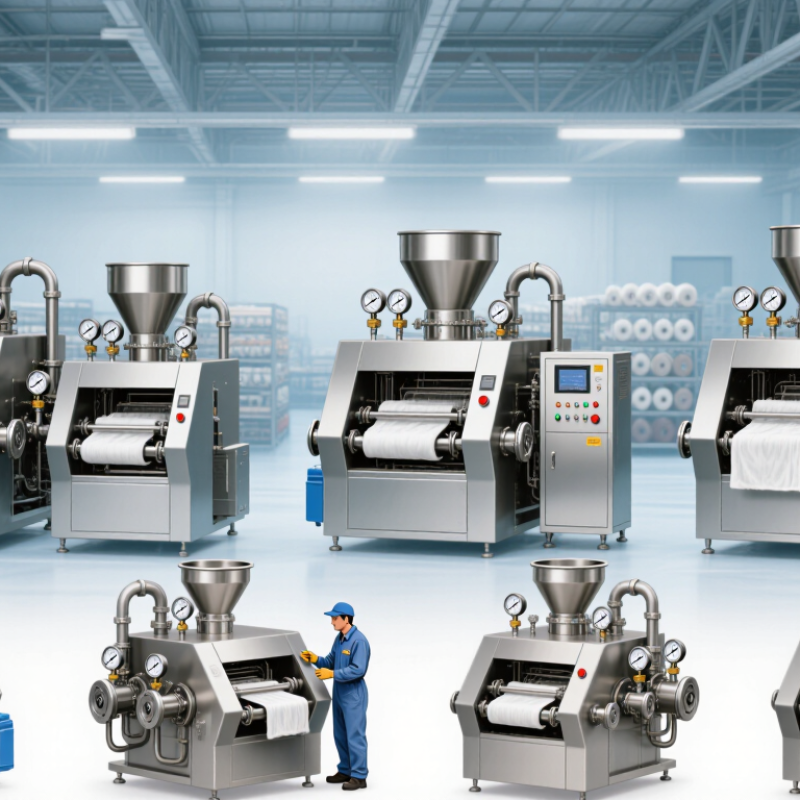
Jet Dyeing Machines: Working Principles, Types, and Textile Applications
Jet dyeing machines move fabric in a continuous rope through a heated dye bath. A pump pushes liquor through a nozzle, creating enough velocity to carry the fabric forward. The fabric then returns through a plaiting chamber and repeats the cycle. Operators control temperature, pH, dosing, and circulation speed. Small errors matter. Excessive nozzle pressure can crease delicate knits.
Common designs include overflow, soft-flow, and air-flow machines. Overflow systems rely mainly on liquid movement, while air-flow models use air to reduce liquor demand. Modern equipment often operates near a 1:5 to 1:8 liquor ratio, although fabric construction and shade depth can change this figure. The EU Best Available Techniques Reference Document for the Textiles Industry identifies process control, water reuse, and energy efficiency as major improvement areas. Energy use also depends heavily on heating rate and insulation.
Jet dyeing suits knitted cotton, polyester, nylon, elastane blends, and other flexible fabrics. It provides even color penetration, especially for tubular or rope-form materials. According to Textile Exchange’s 2024 Materials Market Report, global fiber production reached about 124 million tonnes in 2023. That scale increases pressure to reduce water, chemicals, and reprocessing. Suppliers should therefore report tested liquor ratios, heating performance, fabric capacity, and wastewater results. Marketing claims alone are not enough. Actual mill trials remain essential.
China Top 10 Jet Dyeing Machine Suppliers - Jet Dyeing Machines: Working Principles, Types, and Textile Applications
Technical comparison of common jet dyeing machine configurations used in textile processing. Figures are typical industry ranges and may vary according to fabric construction, liquor ratio, dye class, and machine design.
| Machine Configuration | Working Principle | Typical Fabric Form | Typical Liquor Ratio | Typical Temperature | Typical Capacity Range | Typical Textile Applications |
|---|---|---|---|---|---|---|
| Overflow Jet Dyeing Machine | Dye liquor overflow creates a gentle hydraulic flow that transports fabric through a dyeing tube. | Rope-form knitted and woven fabrics | 1:6–1:12 | Up to approximately 135°C | 50–1,000 kg per tube | Polyester, nylon, viscose, cotton knits, and blended fabrics requiring relatively soft handling. |
| Airflow Jet Dyeing Machine | Air and a reduced volume of dye liquor circulate the fabric, lowering mechanical and hydraulic stress. | Lightweight knitted and woven fabrics | 1:3–1:6 | Up to approximately 135°C | 50–600 kg per tube | Microfiber polyester, lightweight jersey, sportswear fabrics, and delicate synthetic blends. |
| Soft-Flow Jet Dyeing Machine | A low-tension fabric transport system combines controlled liquor flow with a smooth, cushioned fabric path. | Knitted fabrics and sensitive woven goods | 1:5–1:10 | Up to approximately 135°C | 100–1,200 kg per machine | Viscose, modal, cotton knits, fleece, terry, and fabrics susceptible to creasing or abrasion. |
| High-Temperature High-Pressure Jet | A sealed pressure vessel circulates fabric and dye liquor at elevated temperature for synthetic-fiber dyeing. | Rope-form polyester and polyamide fabrics | 1:6–1:10 | 120–140°C | 100–1,000 kg per vessel | Disperse dyeing of polyester, polyamide, microfiber, and performance textile constructions. |
| Single-Rope Jet Dyeing Machine | One continuous fabric rope is circulated through a nozzle and dyeing chamber for focused process control. | One rope of knitted or woven fabric | 1:5–1:12 | Up to approximately 135°C | 50–300 kg per tube | Small production lots, sampling, fashion colors, knitted garments, and narrow-width fabrics. |
| Multi-Rope Jet Dyeing Machine | Several fabric ropes are processed simultaneously in separate or shared circulation paths. | Multiple ropes of knitted or woven fabric | 1:6–1:12 | Up to approximately 135°C | 300–2,400 kg per machine | High-volume dyeing of jersey, interlock, fleece, terry, and other continuous fabric lots. |
| Jet-and-Jigger Combination | Combines rope-form jet circulation with open-width or beam-style processing for broader fabric flexibility. | Rope-form and selected open-width fabrics | 1:6–1:12 in jet mode | Up to approximately 135°C | 100–1,000 kg per machine | Woven and knitted fabrics where crease control, shade flexibility, and multiple processing modes are needed. |
| Sample and Laboratory Jet | A compact circulation system reproduces production-style temperature, dosing, and agitation conditions at small scale. | Small fabric swatches or short fabric lengths | 1:8–1:20 | Up to approximately 140°C | 0.1–10 kg per chamber | Color matching, recipe development, shade approval, process research, and educational testing. |
| Low-Liquor-Ratio Jet | Optimized nozzles, pumps, heat exchange, and liquor management reduce the bath volume needed for circulation. | Knitted and woven fabrics with controlled tension | 1:3–1:6 | Up to approximately 135°C | 100–1,200 kg per machine | Water-sensitive production lines, polyester knits, cotton blends, and facilities targeting lower effluent volume. |
| Universal Jet Dyeing Machine | Adjustable nozzle pressure, fabric speed, liquor flow, and process programs accommodate multiple textile constructions. | Knitted, woven, synthetic, cellulosic, and blended fabrics | 1:5–1:12 | Up to approximately 135°C | 100–1,500 kg per machine | Job dyeing, mixed product portfolios, cotton reactive dyeing, polyester disperse dyeing, and blended-fabric processing. |
Important technical note: Actual performance depends on fabric weight, width, construction, rope length, nozzle design, pump configuration, dye chemistry, loading level, and local safety requirements. Liquor ratio is expressed as the approximate ratio of dye liquor weight to dry textile weight.
Related Posts
-
How to Choose the Right Jet Dyeing Machine?
-

How to Master Jet Dyeing Techniques for Vibrant Fabrics?
-
What Is Dye Application and How Does It Work?
-

How to Choose Textile Dyeing Methods in 2026?
-
7 Best Methods in the Process of Dyeing in Textile Industry
-
2026 Top Textile Finishing Process Types for Global Buyers