China Best Textile Dyeing Process for Global Buyers
For global buyers, textile dyeing is more than choosing an attractive shade. It involves fibre preparation, water quality, dye selection, temperature control, and finishing performance. A stable process should deliver consistent colour across different production lots. It should also reduce rework, wastewater, energy use, and shipment delays.
Textile dyeing expert Dr. Subhash K. Batra has stated, “Textile coloration is both a science and an art.” This principle remains practical today. Cotton may require reactive dyes, while polyester often needs disperse dyes and higher temperatures. A small pH change can alter shade depth. Uneven scouring can leave pale streaks on fabric. Tiny defects become obvious under bright inspection lights.
A dependable textile industry dyeing process begins with laboratory samples and measurable standards. Buyers should request shade tolerances, colourfastness reports, shrinkage data, and production records. Factory visits can reveal useful details, such as calibrated weighing scales, clean dosing tanks, and properly labelled chemical containers. Certifications may support trust, but documents alone cannot replace technical verification.
No dye house is perfect. Even experienced teams face variation between fibre batches, machines, and seasons. That limitation deserves honest discussion. Global buyers should compare corrective procedures, not only catalogue colours or low prices. The strongest suppliers explain their methods clearly, test finished fabric carefully, and improve when results fall short. Consistency matters most.
Textile Dyeing Fundamentals for Global Buyers
Textile dyeing is a controlled balance of fiber, dye, water, temperature, and time. Cotton usually accepts reactive dyes, while polyester often requires disperse dyes. The fiber decides the dyeing route. A wrong match can create weak color, uneven surfaces, or poor wash fastness.
Reliable dyeing begins with preparation. Grease, spinning oil, and sizing agents must be removed before coloration. In production, technicians monitor pH, liquor ratio, heating speed, and dye concentration. A cotton batch may need gradual heating to prevent streaks. Polyester can require higher temperatures and pressure. Small lab dips help buyers compare shade, shrinkage, rubbing fastness, and washing results before bulk production. Yet laboratory results are not always perfect. Machine size, fabric tension, and water quality can change the final appearance.
Tips: Ask for a signed shade standard, test report, and approved sample. Check color under daylight and indoor lighting. Request fabric after washing, not only before washing. Confirm acceptable tolerances for shade, width, weight, and shrinkage. A deeper color may hide surface defects, but it can also need more washing. Keep communication precise. Dyeing improves through repeated checks, not assumptions.

| Dyeing Method | Most Suitable Fibers | Common Dye Class | Typical Temperature | Typical pH Range | Main Process Characteristics | Typical Colorfastness | Key Buyer Considerations |
|---|---|---|---|---|---|---|---|
| Reactive Dyeing | Cotton, linen, rayon, lyocell | Reactive dyes | 40–80°C, depending on dye type | 10.5–11.5 during fixation | Uses salt to promote dye exhaustion and alkali to fix the dye to cellulose fibers. Requires thorough soaping and rinsing. | Generally good washfastness; lightfastness varies by shade and dye selection. | Check salt and alkali control, unfixed dye removal, shade reproducibility, and wastewater treatment. |
| Disperse Dyeing | Polyester and polyester blends | Disperse dyes | 120–135°C for high-temperature dyeing | 4.0–5.5 | Dye diffuses into hydrophobic polyester under heat, usually in a pressurized jet or overflow machine. | Usually good washfastness; sublimation and staining performance must be checked for heat-sensitive applications. | Confirm oligomer control, reduction clearing, migration resistance, and dimensional stability after dyeing. |
| Acid Dyeing | Nylon, wool, silk, some polyamide fibers | Acid dyes | 60–100°C | 3.5–6.0, depending on fiber and dye system | Dye is attracted to positively charged sites on protein or polyamide fibers. pH control is critical for levelness. | Good shade brightness; washfastness ranges from moderate to good depending on dye type. | Evaluate pH profile, barre or unlevel dyeing, fiber damage, and compatibility with elastane blends. |
| Vat Dyeing | Cotton and other cellulosic fibers | Vat dyes | 50–75°C for many commercial processes | 10.5–12.0 during reduction and dyeing | The insoluble dye is reduced to a soluble form, applied to the fiber, then oxidized and soaped. | Excellent washfastness and generally very good lightfastness. | Review oxidation control, reducing-agent management, rubbing fastness, and environmental handling of alkaline chemicals. |
| Direct Dyeing | Cotton, viscose, linen | Direct dyes | 70–100°C | 7.0–10.0 | Simple application with salt and heat; dye is held mainly by affinity and physical forces rather than covalent bonding. | Moderate washfastness; after-treatments can improve wet fastness. | Suitable for cost-sensitive products, but buyers should specify washfastness and rubbing requirements clearly. |
| Pigment Pad-Dry-Cure | Cotton, polyester, blends, nonwoven fabrics | Pigments with binder | Drying commonly 80–120°C; curing commonly 140–180°C | Usually near neutral to mildly alkaline | Color particles remain on the fabric surface and are fixed with a polymer binder; no fiber affinity is required. | Good lightfastness in many shades; rubbing and handle performance depend strongly on binder selection. | Check fabric hand, crocking, curing uniformity, formaldehyde limits, and coating-related stiffness. |
| Garment Dyeing | Cotton, linen, viscose, selected blends | Reactive, direct, pigment, or special garment dyes | 30–90°C, depending on dye class and garment construction | Depends on dye class; commonly 4.0–11.5 | Completed garments are dyed after sewing, creating a washed or casual appearance with possible seam and trim effects. | Varies by dye class; appearance may intentionally include fading or dimensional variation. | Confirm shrinkage, seam puckering, trim compatibility, color tolerance, and size-set measurements after dyeing. |
| Solution Dyeing | Polyester, polypropylene, acrylic, selected technical fibers | Color pigments added during polymer spinning | No conventional wet dye bath; pigment is incorporated before fiber extrusion | Not applicable to a conventional dye bath | Color is distributed through the fiber cross-section, reducing the need for post-spinning wet dyeing. | Typically excellent resistance to washing and good resistance to light, depending on pigment and polymer. | Best for large, repeatable color programs; verify minimum order quantities, color range, and fiber specification before production. |
| Buyer quality checklist: Approve laboratory dips before bulk production; define color tolerance, fabric weight, width, shrinkage, pH, colorfastness, restricted substances, and inspection standards in the purchase specification. Actual results depend on fiber type, fabric construction, dye formulation, machine type, liquor ratio, and finishing conditions. | |||||||
Fiber Assessment and Fabric Preparation Before Dyeing
China Best Textile Dyeing Process for Global Buyers
Before dyeing, fiber assessment determines whether a fabric can accept color evenly. Check the fiber type, blend ratio, staple length, fineness, and moisture regain. Cotton, polyester, viscose, and wool need different preparation conditions. Blended fabrics are especially sensitive to uneven absorption. Test a small sample first.
Measure fabric weight, width, construction, and surface tension. Inspect for oil stains, knitting lines, loose fibers, and weaving marks. Check the pH and absorbency before chemical treatment. A water drop should spread through the fabric, not remain on the surface. Check the edges. Small details matter.
Fabric preparation may include desizing, scouring, bleaching, and heat setting. Control temperature, alkali strength, bath ratio, and treatment time with recorded data. Excessive scouring can weaken fibers and create a dull handle. Insufficient scouring can cause cloudy shades and patchy dyeing. Do not rush.
Water hardness also affects detergents and dye migration. Test process water regularly, especially when production moves between facilities. Keep the fabric relaxed before dyeing to reduce creases and tension marks. A practical correction is often needed, because laboratory results may not match bulk behavior. That gap deserves review, not excuses.
Selecting Dyes and Color Standards for Textile Applications
For global buyers, selecting the right dye starts with the fiber, not the shade card. Cotton commonly requires reactive dyes for strong wash resistance. Polyester usually needs disperse dyes and controlled heat. Blended fabrics demand careful testing because each fiber can absorb color differently. A beautiful sample may still fail production.
Color standards should be checked under controlled lighting, such as D65 and store lighting. Keep the approved swatch clean, flat, and protected from sunlight. A spectrophotometer can measure shade differences through Delta E values. Still, numbers cannot replace visual judgment. Human eyes notice cast changes that instruments may miss. Ask the dye house for lab dips, wash tests, and rubbing results before approval.
In Chinese textile dyeing facilities, reliable teams record dye lots, water conditions, temperature curves, and finishing details. These records help global buyers trace unexpected shade changes. A first lab dip can look correct but shift after washing or softening. That happens. Review it carefully. Test perspiration, light, chlorine, and shrinkage when the product requires them. I have seen buyers approve color under one lamp, then reject it under retail lighting. The mistake was not the dye alone. The color standard was too vague. State the light source, tolerance, fabric construction, and finish in writing. Leave room for practical judgment.
China Best Textile Dyeing Process for Global Buyers: Selecting Dyes and Color Standards
The chart shows representative industrial dyeing temperatures for common fiber–dye combinations. Reactive dyes are widely used for cotton, disperse dyes for polyester, acid dyes for polyamide, and wool dyes for protein fibers. Final recipes should be confirmed through laboratory trials, fiber preparation checks, and ISO 105 or AATCC color-fastness testing.
Step-by-Step China Textile Dyeing Production Process
China Best Textile Dyeing Process for Global Buyers
Step-by-Step China Textile Dyeing Production Process
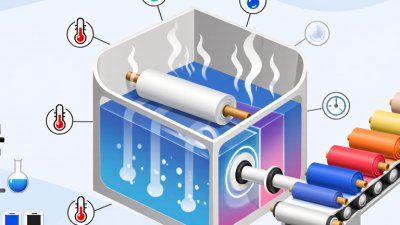
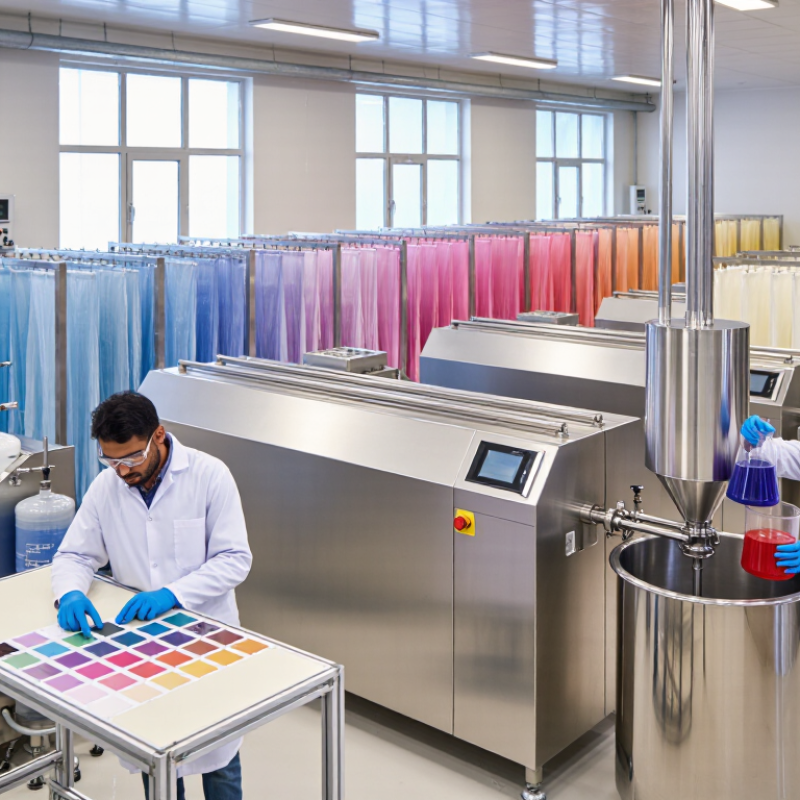
A reliable China textile dyeing process begins with fabric inspection. Technicians check weight, width, stains, and weaving defects. The team then prepares a lab dip, matching the buyer’s color under controlled lighting. This small trial can prevent expensive bulk errors. Pretreatment follows, including desizing, scouring, and bleaching. It removes oils and improves dye absorption. For cotton, reactive dyes are commonly selected. Polyester usually requires disperse dyes and higher temperatures. Machines record temperature, pH, liquor ratio, and running time. Small variations still matter.
After dyeing, the fabric receives washing, neutralization, and color fixing. Finishing may include softening, anti-pilling treatment, or dimensional stabilization. According to the IFC Environmental, Health, and Safety Guidelines for Textile Manufacturing, many textile operations use roughly 100–300 liters of water per kilogram of fabric. Actual consumption depends on equipment and fabric structure. The Textile Exchange Materials Market Report 2024 reported polyester at about 57% of global fiber production in 2023. This makes polyester dyeing control increasingly important for global sourcing. It also exposes a weakness: recycled fiber may need different temperature and tension settings.
Tips: Request lab-dip approval before bulk production. Ask for shade tolerances, wash-fastness results, and shrinkage data. Review wastewater records, not only certificates. A production sample can look perfect, yet fail after washing. Third-party testing remains valuable for critical orders.
Quality Control, Sustainability, and Export Compliance Checks
China Best Textile Dyeing Process for Global Buyers
Quality Control, Sustainability, and Export Compliance Checks
Reliable textile dyeing begins with controlled preparation. Technicians test fabric absorbency, water quality, and dye concentration before production. A small sample is dyed first, then checked under daylight and standard indoor lighting. Color difference, shrinkage, rubbing fastness, and washing fastness must be recorded. These records help buyers compare batches and trace problems quickly.
Quality is never automatic. A shade may match the sample but fail after washing. This remains a common weakness in rushed production. Experienced teams inspect fabric at several stages, including pre-treatment, dyeing, drying, and finishing. They should also retain approval samples and test reports. Export documents must match the actual goods, fiber content, care labels, packing lists, and destination requirements. Requirements can change, so compliance checks need current verification.
Tips: Ask for a laboratory report, production sample, and color approval record. Confirm restricted-substance testing before bulk dyeing. Request details about wastewater treatment and chemical storage. Keep written tolerance limits for shade, width, weight, and shrinkage. Do not rely on photos alone. A factory may provide strong paperwork, yet its production floor can still reveal inconsistent inspection habits. An on-site or third-party audit offers better evidence, although audits also have limits. Sustainability claims should be supported by measurable water, energy, and chemical data.