
How to Choose the Right Jet Dyeing Machine?
Choosing the right jet dyeing machine requires more than comparing purchase prices. It requires a clear understanding of fabric behavior, production goals, and resource limits. A machine designed for lightweight polyester may struggle with dense cotton fleece. That difference appears in the dyeing room, where rope tangles, uneven shades, or excessive creasing can quickly erase expected savings.
Industry reports show why this decision matters. Textile Exchange’s Materials Market Report 2024 states that global fiber production reached about 124 million tonnes in 2023, with polyester representing the largest share. This scale increases pressure on mills to improve repeatability and resource efficiency. The European Commission’s Best Available Techniques Reference Document for the Textiles Industry also confirms that water and energy consumption vary significantly by fiber, process, equipment, and operating practice. These findings support a practical approach to jet dyeing selection. The machine must match the actual fabric portfolio, not an idealized product sheet.
Important questions begin with the basics. What is the normal fabric weight? What liquor ratio is achievable? Can the nozzle, pump, and winch handle delicate knitted goods without stretching them? Is heat recovery available? Are dosing, temperature, and pH controls recorded consistently?
Small details matter.
A lower upfront price can appear attractive, yet maintenance access, seal quality, and software support may determine the real cost. I have seen specifications look impressive while ignoring operator training and wastewater capacity. That is a useful warning. The best jet dyeing machine is not universally the fastest model; it is the one that delivers stable color, controlled consumption, and reliable production under your mill’s real conditions.
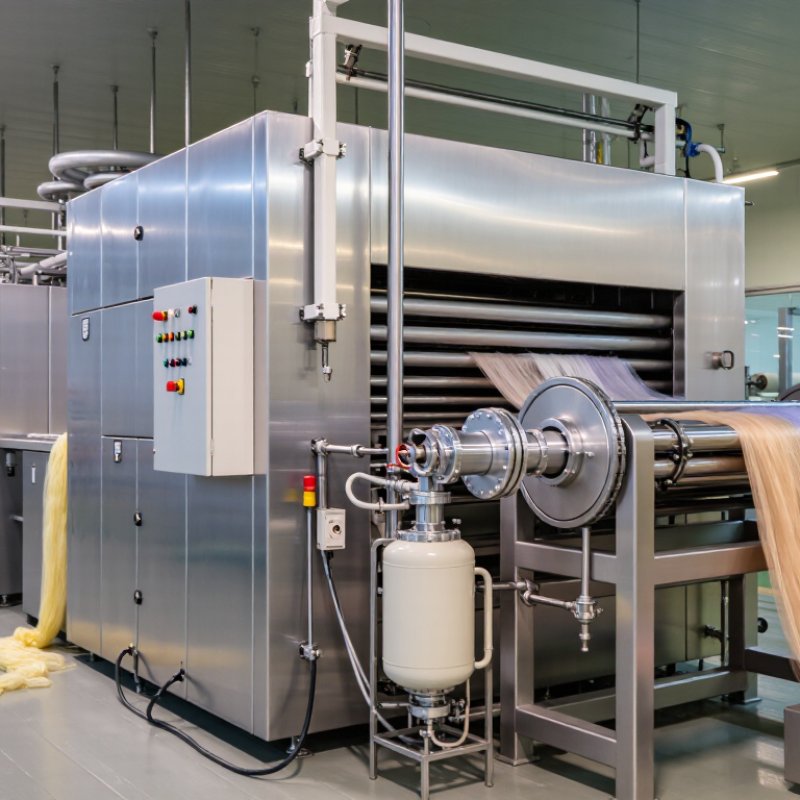
Define Fiber, Fabric, and Load Requirements Before Choosing a Jet Dyeing Machine
Choosing the right jet dyeing machine starts with the material, not the machine catalogue. Identify the fiber blend, yarn count, fabric weight, and finishing sensitivity. Cotton, polyester, nylon, and elastane react differently to heat, liquor movement, and chemical exposure. A technician should test a small sample before approving production settings. Record shrinkage, shade depth, crease marks, and color uniformity. These observations often reveal problems that specifications hide. Wet fabric feels heavier than expected. Plan for it.
Load requirements must be equally precise. Estimate the normal batch weight, minimum batch, maximum batch, rope length, and fabric width. A machine sized only for peak production may waste water and energy during smaller runs. An undersized chamber can cause tight ropes, uneven circulation, and repeated reprocessing. Check loading space, pump capacity, nozzle adjustment, temperature control, and recipe repeatability. Ask operators about the actual workflow. Their experience may challenge the original production plan. That is useful evidence, not resistance.
Tips: Match the machine’s working range to your most common load, not your biggest order. Compare test results at low and high loads. Inspect fabric movement through a viewing port, if available. Keep records of liquor ratio, heating rate, and cycle time. Do not trust one successful trial. Different blends can behave unexpectedly. Leave room for adjustment. A careful choice may feel slower, but it prevents costly rework.
How to Choose the Right Jet Dyeing Machine? - Define Fiber, Fabric, and Load Requirements Before Choosing a Jet Dyeing Machine
| Selection dimension | Requirements to define | Typical implications for machine choice | Practical check before purchase |
|---|---|---|---|
| Fiber composition | Identify the fiber and blend ratio, such as polyester, cotton, nylon, viscose, or polyester-cotton. | The fiber determines dye class, pH, auxiliaries, and processing temperature. Polyester commonly requires high-temperature dyeing; cotton and viscose are often dyed with reactive dyes at lower temperatures. | Confirm that the vessel, seals, heat exchanger, dosing system, and controls suit the chemicals and maximum process temperature used for your recipes. |
| Fabric construction | Specify knitted or woven construction, fabric width, tube diameter, rope length, and whether the fabric is open-width or processed in rope form. | Jet machines are commonly used for rope-form knitted and woven fabrics. The chamber, nozzle, and fabric path must accommodate the fabric without excessive creasing or snagging. | Run trials with representative fabric to check rope circulation, seam passage, and fabric handling throughout the full cycle. |
| Fabric weight and sensitivity | Record the normal and maximum fabric weight in g/m², surface characteristics, stretch, and sensitivity to abrasion or pressure marks. | Lightweight or delicate knits may need gentle fabric transport and adjustable jet flow. Heavier fabrics require sufficient circulation capacity and a suitable fabric path. | Ask for trials at the lightest and heaviest fabric weights in your production range, not only with a standard sample. |
| Batch load and capacity | Define the usual and peak batch mass, number of fabric ropes, and the required batch-size flexibility. | Select a rated working capacity that matches actual production. The usable load depends on fabric construction, rope length, and the machine’s operating limits; rated capacity alone does not guarantee good circulation. | Check minimum and maximum recommended loads and verify circulation with the intended number of ropes and batch sizes. |
| Temperature and pressure range | List the highest temperature and pressure required by your recipes, including heat-up, holding, and cooling stages. | Polyester disperse dyeing is commonly carried out near 130°C under pressure. The machine must be rated for the required temperature and corresponding operating pressure. | Compare the machine’s documented design limits with your recipe requirements and applicable pressure-vessel regulations. |
| Liquor ratio and water use | Estimate the liquor ratio used in current recipes and set targets for water, heating energy, and wastewater volume. | Modern jet machines may operate at relatively low liquor ratios, often around 1:5 to 1:10 under suitable conditions. The achievable ratio depends on fabric, load, and process design. | Request the basis for any quoted liquor-ratio figure and confirm it using your own fabrics and production recipes. |
| Circulation and fabric speed | Define the fabric’s circulation needs, desired processing time, and sensitivity to tension, friction, and creasing. | Consistent circulation supports level dyeing, while excessive jet force or tension can damage delicate fabrics. Adjustable flow and fabric transport can help accommodate different constructions. | Check whether circulation settings can be adjusted for different fabrics and whether the control system records key process values. |
| Dosing and recipe control | List the number of dye and chemical additions, required dosing accuracy, and recipe repeatability needs. | Automated dosing and programmable temperature, pH, and timing controls can improve repeatability and reduce manual handling, particularly for multi-step recipes. | Review the available recipe functions, alarm history, data export, and compatibility with your plant’s operating procedures. |
| Utilities and installation | Check available steam, electricity, cooling water, compressed air, drainage, floor space, and access for installation. | Utility demand and connection requirements vary with machine capacity, heating method, and process. Layout and drainage must support safe operation and maintenance. | Obtain a utility schedule and installation drawing, then compare them with the site’s actual supply and floor plan. |
| Production mix and expansion | Estimate the share of each fiber, fabric type, color depth, batch size, and expected future production. | A machine suited to a narrow range of large batches may not be efficient for frequent small batches or highly varied fabrics. Capacity planning should reflect the complete production mix. | Compare expected throughput, batch changeover needs, and planned growth before settling on machine capacity and configuration. |
Note: Temperature and liquor-ratio figures are typical reference ranges, not universal settings. Confirm final operating conditions through fabric trials, recipe requirements, and the machine supplier’s technical documentation.
Related Posts
-

How to Choose Textile Dyeing Methods in 2026?
-

What Is Dye Application and How Does It Work?
-
7 Best Methods in the Process of Dyeing in Textile Industry
-

How to Master Jet Dyeing Techniques for Vibrant Fabrics?
-

How to Choose Sustainable Textile for Eco Friendly Fashion?
-
How to Achieve Sustainable Dyeing Techniques in 2026?