China Top 10 Textile Dyeing Process Companies?
Choosing among China’s leading textile dyeing process companies requires more than comparing price lists. A mill may produce a vivid shade on a sample, yet struggle to keep it consistent across a full production run. Buyers should examine dyeing equipment, fabric and fiber experience, laboratory capacity, wastewater controls, and quality records. Small details matter. Ask how each supplier manages color matching, batch variation, and re-dyeing when results miss the target. These answers reveal more than a polished brochure.
Professor Richard Blackburn, a sustainable materials researcher at the University of Leeds, has emphasized assessing textile materials through their wider environmental impacts. A concise paraphrase of that perspective is: “A dyeing choice should be judged beyond the color it creates.” That distinction matters when comparing suppliers. This overview of China’s top 10 textile dyeing process companies should be treated as a starting point, not a guaranteed ranking. Company capabilities, certifications, production sites, and service terms can change; verify them directly before making a decision. Also consider the fabric’s hand feel, shade under different lighting, and performance after washing. A neat sample is not the whole story. The comparison may still overlook factors important to a particular buyer, so request current evidence and test production samples against your own specifications.
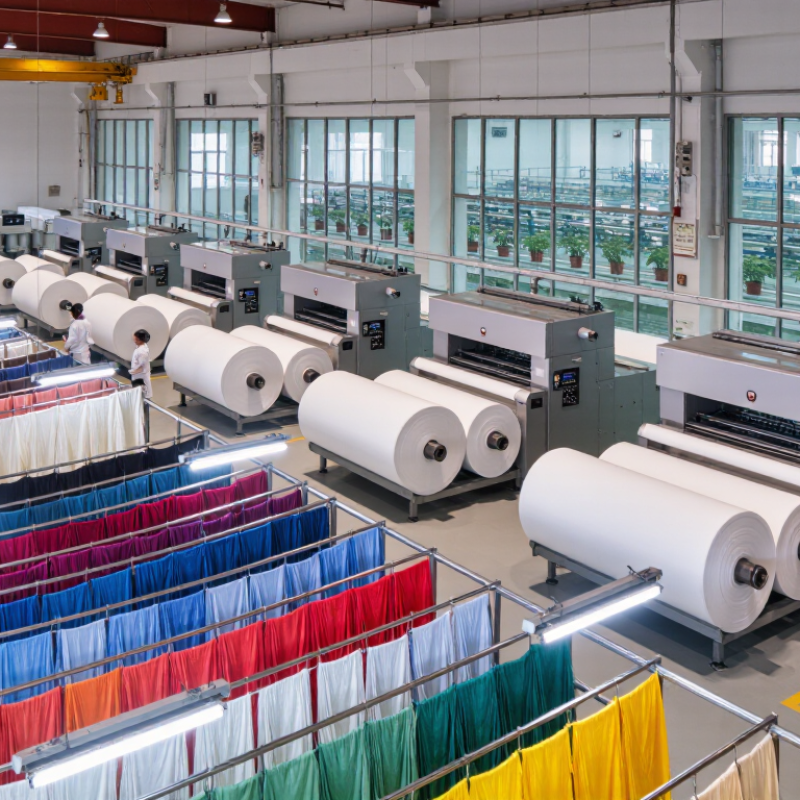
China’s Textile Dyeing Sector: Fibers, Processes, and Company Scope
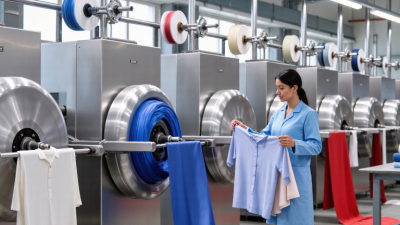
China’s textile dyeing sector covers a wide range of fibers, equipment, and production scales. Cotton commonly uses reactive dyes, while polyester usually requires disperse dyes and controlled high-temperature processing. Wool and silk need gentler conditions to protect their feel and strength. Blended fabrics add complexity because each fiber may respond differently. It matters.
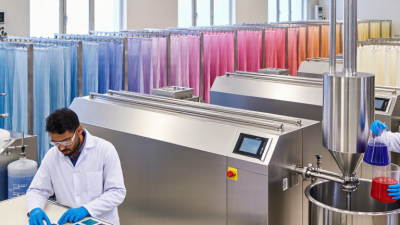
Dyeing companies may specialize in one fiber, serve several markets, or provide integrated preparation, coloration, and finishing. A practical comparison should examine fabric types, batch capacity, shade consistency, and the ability to handle repeat orders. Ask how operators monitor temperature, pH, and color differences between batches. Water treatment and process documentation also offer useful signs of operational discipline. Not always. Public information can be incomplete, and a broad service list does not prove equal expertise across every process. The sector is not perfectly tidy: capabilities often overlap, while actual performance depends on equipment, recipes, and operator experience. A careful overview of leading Chinese suppliers should therefore describe verifiable process strengths rather than treat company names as a substitute for technical evidence.
Core Process Data: Reactive Cotton at ~60°C and Polyester at ~130°C
China Top 10 Textile Dyeing Process Companies?
Core Process Data: Reactive Cotton at ~60°C and Polyester at ~130°C
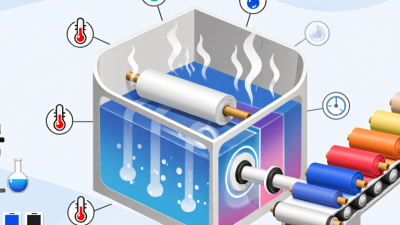
Reactive dyeing of cotton often runs near 60°C, while polyester dyeing commonly reaches about 130°C. These are practical reference points, not universal recipes. The exact setpoint depends on the dye, shade, fabric construction, and machine. Polyester is typically dyed under pressure at high temperature; cotton needs careful control of salt, alkali, and fixation time. The numbers look simple. The process is not.
Tips: Check the bath temperature with a calibrated sensor, not just the machine display. Watch heating speed and holding time. A few degrees can affect shade consistency, especially across a full production load.
For a useful comparison, record temperature alongside pH, liquor ratio, and color results. A pale cotton shade and a deep polyester shade may need different treatment, even when the fiber type is unchanged. Look for unevenness at seams and fabric folds after rinsing. Small shifts matter. And a stable reading does not prove uniform dyeing throughout the vessel. That is an easy assumption to make, and one worth questioning during process reviews.
How to Rank China’s Top 10 Dyeing Companies: Capacity, Expertise, and Certifications
Ranking China’s leading textile dyeing companies requires more than comparing factory size.
Capacity should be assessed through verified monthly output, equipment types, and the number of production lines. Ask whether figures include finishing and rework, not just dyeing. Numbers need context. A mill handling large cotton orders may not suit small, frequent batches or delicate synthetic fabrics.
Expertise shows in practical details.
Can the technical team explain how it controls shade variation across a long production run? Request sample reports for colorfastness, shrinkage, and washing performance. Check whether the facility processes your specific fibers and dye methods. A neat sample is useful, but repeatability matters more. One test is not enough.
Certifications should be current, independently verifiable, and relevant to the processes and site being evaluated.
Check the certificate’s scope, issuing body, and expiry date rather than relying on a logo in a brochure. Where possible, compare documents with audit findings and production records. A ranking can still miss important differences: public capacity claims are not always comparable, and a strong certificate cannot guarantee consistent output. Site visits and trial orders help confirm what paperwork cannot show.
Profiles of 10 Chinese Dyeing Companies: Locations, Fibers, and Services
A useful comparison of ten Chinese dyeing facilities should start with location, fiber capability, and finishing services, not vague claims of scale. Keqiao and Wujiang are practical reference points for polyester blends and man-made fibers; Foshan and Jinjiang have substantial knit-processing activity. Other coastal mills handle cotton, linen, and wool. Each profile should specify whether a facility offers pretreatment, piece or yarn dyeing, printing, and finishing. Capabilities vary.
Fiber mix matters. Textile Exchange’s Materials Market Report 2024 estimates global fiber production reached 124 million tonnes in 2023, with polyester accounting for about 57%. Its 2023 report put production at 116 million tonnes for 2022. That growth makes dependable synthetic-fiber dyeing and shade consistency important selection criteria. Ask for process-specific samples, not just a general swatch. Small differences show.
Published capacity figures can be hard to compare; some describe installed equipment, not actual output. A careful profile should therefore note fiber blends, batch sizes, color matching, and wastewater treatment controls, while marking details that the facility has not independently verified. That caveat matters.
Environmental Benchmarks: Wastewater Treatment, Water Reuse, and Chemical Control
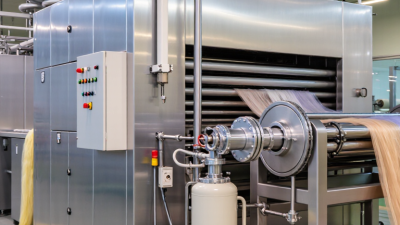
A practical comparison of China’s leading textile dyeing companies should look beyond production capacity. Wastewater treatment records offer a clearer view of daily environmental performance. Check whether facilities monitor flow, color, chemical oxygen demand, and salinity at regular intervals. A sample taken after a busy production shift can tell a different story from a quiet-day reading. Numbers need context. Ask how results are verified and how treatment changes when fabric types or dye recipes change.
Water reuse figures also need careful reading. A reported reuse rate is useful only when its calculation boundary is clear. Does it include cooling water, or only water returned to dyeing processes? Look for flow meters, reuse logs, and evidence that reused water meets process needs. Chemical control matters just as much. Review purchasing records, storage labels, dosing systems, and operator training. Small leaks or manual dosing errors can undermine an otherwise capable system. Not always obvious. A company may publish strong indicators while struggling with inconsistent records or uneven performance between production lines. That gap deserves honest scrutiny. Companies that share site-level data and explain limitations are easier to assess reliably.