
10 Best Textile Business Suppliers for Global Buyers?
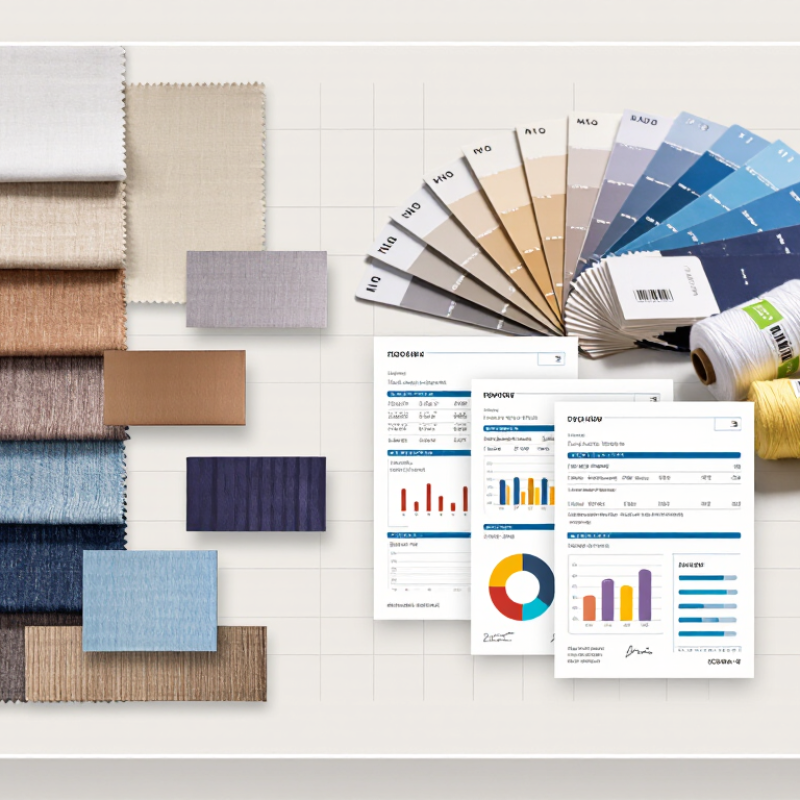
Choosing the right suppliers can shape quality, delivery reliability, and customer trust. For global buyers, a strong textile business partner should offer more than an attractive price. Buyers need clear product specifications, consistent fabric samples, realistic lead times, and responsive communication. Small details matter: a shade card under daylight, a neatly labeled yarn cone, or a test report that matches the actual production lot.
Textile designer William Morris wrote, “Have nothing in your houses that you do not know to be useful, or believe to be beautiful.” His principle offers a useful lens for sourcing: materials should meet a real need and hold up to careful inspection. This guide to the 10 best textile business suppliers for global buyers considers product range, manufacturing capabilities, quality controls, sustainability disclosures, and export experience. It also highlights practical questions to ask before placing an order, including minimum quantities, sample fees, payment terms, and production timelines. Check the details.
Supplier rankings can help narrow a search, but they cannot replace due diligence. A polished website does not prove that a factory can meet your specifications at scale. Request current documentation, compare samples against written requirements, and confirm who handles inspection and shipping. Even then, surprises happen. A promising sample may not tell the whole story. That is worth remembering. The right supplier is not always the largest or cheapest; it is the one whose capabilities, communication, and commitments fit your business needs.
What Textile Business Suppliers Provide to Global Buyers
What Textile Business Suppliers Provide to Global Buyers
Textile suppliers do more than sell rolls of fabric. They may source yarn, develop fabric constructions, provide dyeing and finishing, and coordinate trims such as buttons or labels. For buyers, the practical value is a connected supply process: one clear specification, consistent color references, and documented delivery dates. Small details matter. A shade card under warehouse lighting can look different from the same color outdoors.
Suppliers may also provide test reports, fiber-content documentation, and shipment records. These help buyers assess quality and trace materials through the supply chain, though the level of detail varies. Textile Exchange’s Materials Market Report 2024 estimates that global fiber production reached 124 million tonnes in 2023. That scale makes material selection and supplier transparency increasingly important. Ask for test methods, not just a “passed” label, and confirm whether results apply to the actual production lot. Samples reveal more. A sample can feel excellent yet change after washing, so buyers should check shrinkage, colorfastness, and seam performance before approving bulk production. No document replaces a physical check. The awkward part is that thorough checks take time, but skipping them can cost more later.
10 Best Textile Business Suppliers for Global Buyers? - What Textile Business Suppliers Provide to Global Buyers
| Supplier Type | Typical Products | What They Provide | Best Fit for Global Buyers | Key Checks Before Ordering |
|---|---|---|---|---|
| Natural Fiber Producers | Cotton, wool, flax, hemp, and other natural fibers | Raw or prepared fibers, grading information, and details on origin and processing | Spinners, mills, and brands seeking raw materials with defined fiber characteristics | Fiber grade, staple length or fineness, moisture content, contamination controls, origin documentation, and applicable sustainability claims |
| Synthetic Fiber Producers | Polyester, nylon, acrylic, and other man-made fibers | Filament or staple fibers in different forms and specifications for spinning, knitting, or weaving | Buyers needing consistent technical specifications or synthetic inputs at scale | Polymer and fiber specifications, denier or staple length, recycled-content evidence where relevant, testing records, and production capacity |
| Yarn Spinning Mills | Yarns made from natural, synthetic, or blended fibers | Yarn counts, twists, blends, and packaging formats suited to downstream fabric production | Weaving and knitting mills, apparel manufacturers, and textile converters | Count system, fiber composition, twist, strength, evenness, color consistency, sampling process, and minimum order quantity |
| Woven Fabric Mills | Plain, twill, satin, and other woven fabrics | Greige or finished fabrics in specified constructions, weights, widths, and fiber blends | Apparel, uniform, upholstery, and home-textile buyers that require woven materials | Construction, weight, usable width, shrinkage, colorfastness, defect standards, testing requirements, and lead time |
| Knitted Fabric Mills | Jersey, rib, interlock, fleece, and other knitted fabrics | Fabrics with specified structures, stretch characteristics, weights, and finishing options | Buyers sourcing materials for T-shirts, activewear, underwear, and other knit products | Fabric weight, stretch and recovery, spirality, dimensional stability, pilling performance, dye-lot consistency, and available widths |
| Denim Mills | Denim fabrics in a range of weights, constructions, and finishes | Indigo-dyed and other denim fabrics, sometimes with stretch yarns or specialized finishing | Jeanswear brands and garment manufacturers looking for denim by construction and finish | Weight, shrinkage, skew, colorfastness, stretch recovery, finishing chemicals, and wastewater-management practices |
| Nonwoven Fabric Manufacturers | Spunbond, meltblown, needle-punched, and other nonwoven materials | Roll goods or cut materials for filtration, hygiene, medical, automotive, and industrial applications | Buyers requiring functional materials rather than conventional woven or knitted fabrics | Basis weight, tensile properties, filtration or barrier performance, applicable regulatory requirements, and product-specific test reports |
| Home Textile Manufacturers | Bedding, towels, curtains, table linens, and related textile goods | Finished products, material selection, sizing, sewing, labeling, and packaging options | Retailers, hospitality suppliers, and importers buying ready-to-sell textile products | Dimensions, fiber content, color and shade consistency, care-label accuracy, workmanship, packaging, and inspection standards |
| Technical Textile Suppliers | Textiles for protective, automotive, agricultural, construction, and industrial uses | Materials engineered for defined performance needs, such as strength, durability, or resistance to specific conditions | Industrial buyers with application-specific performance requirements | Relevant test methods, performance data, traceability, product compliance, intended-use suitability, and consistency between production lots |
| Textile Dyeing and Finishing Suppliers | Dyed, printed, coated, laminated, or otherwise finished fabrics | Processing services that modify color, appearance, handle, or functional properties of textile materials | Fabric buyers and manufacturers needing customized colors or finishes | Color standards, finish durability, restricted-substance requirements, process controls, testing results, and environmental-management practices |
Supplier capabilities, order quantities, lead times, certifications, and export terms vary by facility and product. Buyers should confirm specifications, samples, testing, documentation, and delivery terms before placing an order.
Related Posts
-

What Is the Textile Industry and How Does It Work?
-
China Best Group Textile Manufacturers for Global Buyers?
-

What Are the Best Textile Industry Trends for 2026?
-

China Top Textile Industry Manufacturers for Global Buyers?
-
2026 Best Innovations Transforming the Textile Industry?
-
How to Choose the Best Group Textile for Your Next Project?