China Best Group Textile Manufacturers for Global Buyers?
China remains a major destination for global buyers seeking reliable group textile manufacturers. Its industrial network covers spinning, weaving, dyeing, printing, cutting, and finished garment production. This depth can shorten procurement cycles, but it can also make supplier selection confusing. Factory photographs rarely show the whole operation.
Textile researcher Dr. Sheng Lu has stated, “China remains the largest exporter of textiles and apparel in the world.” That scale matters, but export volume does not automatically prove quality, transparency, or suitability for every buyer. A dependable group textile partner should provide clear fiber specifications, test reports, production capacity, and traceable subcontracting information. Buyers should also examine sample consistency, colorfastness, shrinkage, stitching density, and packaging details. A fabric roll may look excellent under showroom lighting, yet behave differently after washing.
Practical evaluation requires more than comparing unit prices. Request a physical sample. Review the factory’s quality-control process. Confirm minimum order quantities and realistic lead times. Check whether certifications match the actual production site. Communication matters too, especially when correcting a pattern or changing fabric weight. Small misunderstandings become expensive at scale.
No ranking is perfectly neutral. A manufacturer suited to hotel uniforms may not fit a premium sportswear label. Some capable factories may lack polished English websites. Others may overstate their capacity during busy seasons. This guide examines China’s leading group textile manufacturers through a balanced lens, combining production expertise, buyer experience, documentation quality, and long-term reliability. The goal is not to promise perfection, but to support better decisions with fewer surprises.
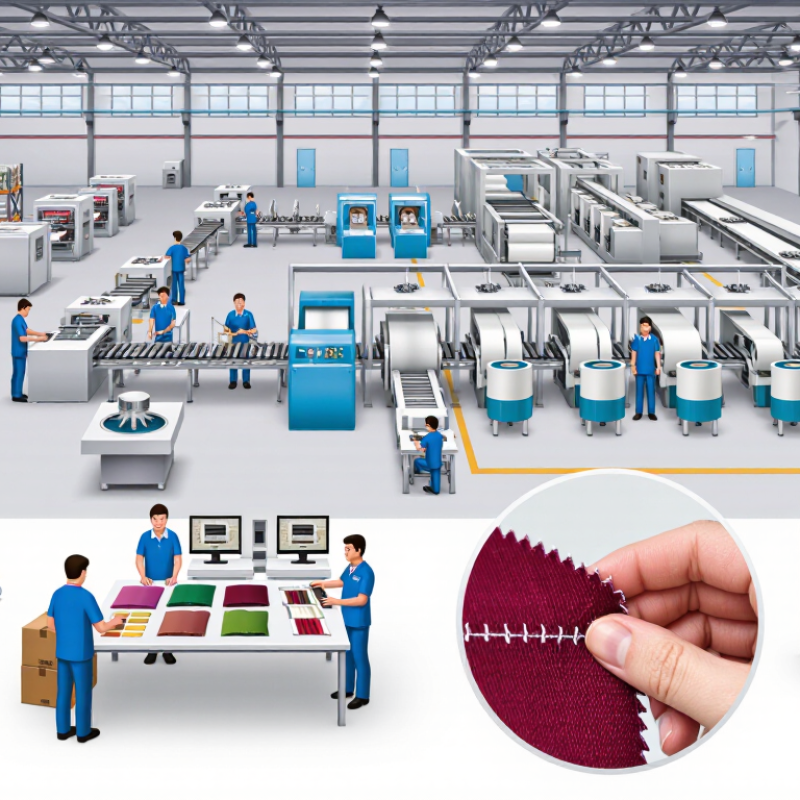
What Defines a Leading Textile Manufacturer in China?
What defines a leading textile manufacturer in China?
Reliable production is more than modern machinery. It requires skilled workers, stable suppliers, and clear quality controls. During factory visits, buyers should inspect cutting tables, dyeing records, and finished fabric rolls. Small details matter. Uneven edges often reveal weak process control.
Experienced manufacturers explain their materials clearly. They can discuss fiber content, fabric weight, shrinkage, colorfastness, and testing methods. They should provide recent inspection reports from qualified laboratories. Certifications can support trust, but documents need verification. A factory that answers every question too quickly may deserve closer review. I have found that honest suppliers also admit production limits or previous quality problems. That openness is valuable, though it does not replace evidence.
Tips:
Request a sample before placing a large order. Wash it, stretch it, and check the stitching under bright light. Ask for a written production timeline and approval process. Confirm how defects are recorded and corrected. Visit the facility when possible, or use an independent audit. Do not judge capability from showroom displays alone. A clean sample room can hide inconsistent bulk production. Regular communication, documented inspections, and realistic delivery promises usually reveal stronger manufacturing discipline.
How to Evaluate China’s Textile Manufacturing Capabilities
China offers wide textile manufacturing capacity, but capability must be measured beyond product photos.
During supplier evaluations, inspect the production floor, not only the showroom. Check knitting or weaving equipment, dyeing controls, inspection stations, and warehouse conditions. Ask for fabric specifications, such as fiber content, weight, width, shrinkage, and colorfastness. A reliable manufacturer should explain these figures clearly and provide consistent test records.
Request samples from different production stages. A polished sample can hide bulk-order problems. Compare hand feel, shade, stitching, and measurements after washing. Review quality-control procedures and ask who approves each shipment. Factory certifications can support credibility, but they do not replace practical verification. Visit the facility when possible, or arrange an independent inspection. I have seen factories pass document reviews yet struggle with delayed updates and unclear responsibility. That weakness matters.
Tips:
Ask for a realistic production schedule, not an optimistic promise. Confirm minimum order quantities, sampling fees, payment terms, and defect-handling procedures in writing. Evaluate communication during the quotation stage. Slow answers often become slower solutions. Check whether raw materials are traceable and whether subcontracting is disclosed. Do not judge capability from the lowest price alone. A slightly higher cost may reflect stronger testing, trained workers, and better process control. Still, no evaluation is perfect. Leave room for a pilot order, because real performance sometimes differs from the audit report.
Which Textile Products and Services Do Top Suppliers Offer?
Top textile suppliers serve global buyers with more than finished garments. They often provide yarns, knitted fabrics, woven materials, towels, bedding, workwear, and technical textiles. Product choices may include cotton, recycled polyester, linen blends, and performance finishes. Buyers should request fabric weight, fiber content, colorfastness, shrinkage, and abrasion data before approving samples.
Reliable manufacturers also support OEM and ODM development. Their teams can adjust patterns, grading, labels, packaging, and production specifications. Many offer fabric sourcing, sample making, quality inspections, laboratory testing, and shipment coordination. A capable supplier should explain minimum order quantities, lead times, payment terms, and production capacity clearly. Factory audits and third-party testing add useful evidence, especially for overseas orders.
During supplier evaluations, I look beyond polished catalogs. I compare pre-production samples with bulk output, because small shade changes can affect an entire collection. Traceability records and corrective-action reports also reveal management quality. No supplier gets every detail right. A missed measurement or delayed approval can still happen. The important question is how quickly the team identifies the problem and documents the fix. Buyers should keep written specifications, approval samples, and inspection records. This practice reduces disputes and supports consistent textile sourcing.
How Global Buyers Can Compare and Select Chinese Manufacturers
Choosing among Chinese textile manufacturers requires more than comparing quoted prices. Global buyers should examine production capability, quality controls, communication, and long-term reliability. A factory visit, video audit, or independent inspection can reveal important details, such as fabric storage, cutting accuracy, and machine maintenance. Ask whether the company manufactures directly or outsources key processes.
Request recent samples made with matching fibers, colors, weights, and finishing methods. Compare shrinkage, colorfastness, seam strength, and packaging condition. Written specifications reduce misunderstandings. However, samples can receive extra attention. Test goods from normal production whenever possible.
A practical scorecard should include minimum order quantities, development costs, lead times, capacity during peak seasons, and corrective-action procedures. Check relevant certifications through issuing organizations, not only scanned documents. Review traceability records for yarn, dyes, and finished goods. Clear payment terms and export documentation also matter.
I once focused too heavily on a low unit price. The final cost increased after repeated revisions and delayed shipping. That experience changed my evaluation process. No scorecard is perfect. Leave room for judgment. Notice how quickly the manufacturer answers difficult questions, reports defects, and accepts measurable improvements. A reliable supplier should provide realistic dates, consistent records, and evidence behind its claims. Small pilot orders can test this behavior before larger commitments.
What to Check Before Placing an International Textile Order
China Best Group Textile Manufacturers for Global Buyers?
What to Check Before Placing an International Textile Order
A reliable textile order begins with evidence, not attractive product photos. Request the factory’s legal registration, production address, export experience, and recent quality records. A virtual tour helps, but an independent factory audit offers stronger proof. Ask whether production is handled internally or divided among undisclosed subcontractors.
Send a written specification sheet before requesting prices. Include fiber composition, fabric weight, width, weave, color standard, finishing method, packaging, and acceptable tolerances. Always approve a pre-production sample. Then test shrinkage, colorfastness, pilling, tensile strength, and shade variation through a qualified laboratory. A sample may look excellent under showroom lights. It can still fail after washing.
Check minimum order quantities, production capacity, lead time, payment stages, inspection rights, and shipping terms in writing. Confirm who pays for rework when goods miss the agreed standard. Use batch numbers and carton labels for traceability. I have seen buyers focus on the lowest unit price and overlook testing, port delays, or weak packaging. That choice often becomes expensive. My own sourcing review would also include a small trial order, even when the factory appears highly capable. Confidence should grow from repeated results, not promises. Clear communication matters, especially when measurements or color descriptions could be interpreted differently. Keep every approved document, sample, and inspection report together. That file protects both sides when production becomes complicated.