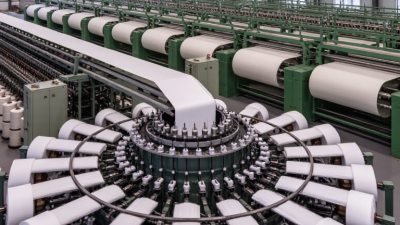
China Top Textile Industry Manufacturers for Global Buyers?
China’s textile industry remains a major sourcing destination for global buyers seeking scale, variety, and competitive production. Manufacturers produce cotton fabrics, polyester blends, technical textiles, home furnishings, apparel, and recycled materials. Their capabilities differ greatly, even within the same industrial cluster. A supplier in Zhejiang may specialize in dyed fabrics, while a factory in Jiangsu focuses on functional sportswear. The label “top manufacturer” needs careful examination.
This guide introduces leading Chinese textile manufacturers through practical buyer requirements. It considers production experience, export records, material expertise, quality systems, and communication standards. Buyers should review certifications, factory capacity, sample consistency, and laboratory testing before signing contracts. Site audits can reveal details that websites often hide, including storage conditions, machine maintenance, and worker training. Ask for recent test reports. Confirm them independently where possible.
Small details matter.
Reliable manufacturers usually explain minimum order quantities, lead times, packaging methods, and corrective-action procedures clearly. They should also discuss traceability, restricted substances, and destination-market requirements without making vague promises. However, no ranking stays accurate forever. Capacity changes, ownership changes, and quality can vary between production batches. This article therefore avoids treating brand reputation as absolute evidence. It encourages buyers to compare documented performance, inspect samples, and negotiate realistic specifications. A factory may offer excellent fabric but weak after-sales support. Another may communicate well but lack flexible production capacity. Careful judgment remains essential for building a dependable, compliant, and long-term textile supply chain from China.
China’s Textile Industry: Scope, History, and Global Market Role
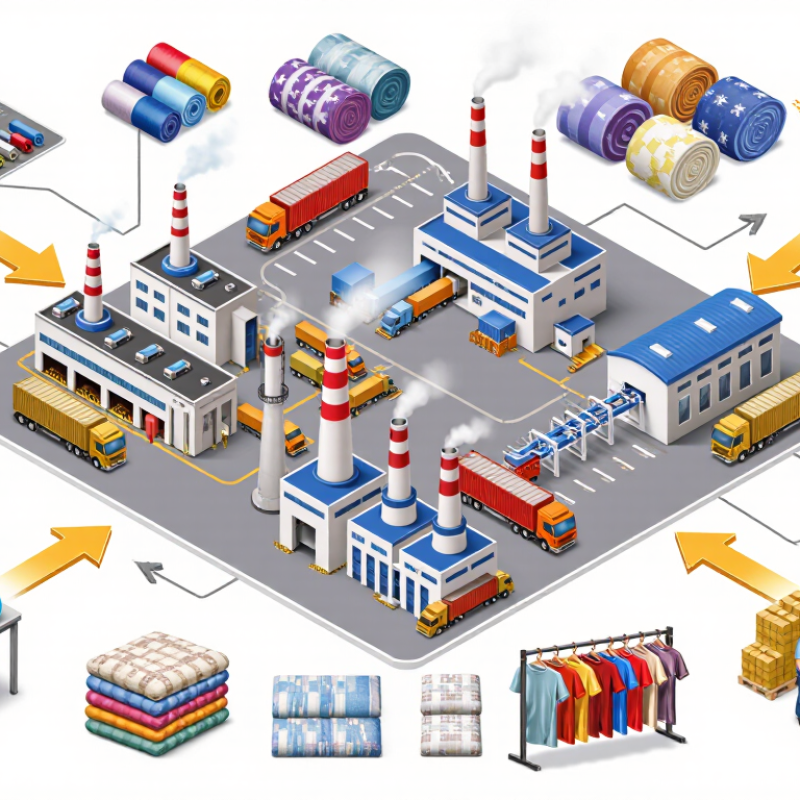
China’s textile industry grew from traditional handcrafts into a highly coordinated manufacturing network. Mechanized mills expanded during the twentieth century, especially near major coastal ports. Economic reforms later accelerated private investment, export production, and factory modernization. Today, production clusters connect fiber suppliers, spinning mills, weaving plants, dye houses, and garment workshops.
This scope gives global buyers unusual supply-chain depth. A single sourcing region may provide recycled fibers, woven fabrics, knitted materials, home textiles, and technical fabrics. China remains a major force in international textile trade. Its factories serve fashion, healthcare, construction, transportation, and household markets. In practical terms, buyers can inspect fabric samples, test colorfastness, and adjust production before shipment. These steps reduce surprises, though they never remove risk.
The industry is also changing under pressure from energy costs, environmental standards, labor expectations, and volatile demand. Many manufacturers are investing in digital cutting, automated inspection, cleaner dyeing, and traceability systems. Inland production is growing, while coastal facilities often retain stronger export experience. A careful buyer should review certificates, production records, material origins, and quality-control procedures. Price alone is a weak measure. I have seen attractive samples hide inconsistent bulk production, which deserves honest reflection. China’s textile sector is powerful, but its scale can make supplier evaluation surprisingly complex.
Key Textile Manufacturing Regions and Production Specializations
China’s textile industry is organized by regional strengths, not one universal production center. Zhejiang is well known for knitted fabrics, polyester blends, dyeing, and digital printing. In Shaoxing, buyers can compare fabric rolls, color cards, and finishing samples within a concentrated supply network. Jiangsu has strong capabilities in home textiles, woven fabrics, and technical materials. Production sites often support large orders with consistent equipment and quality systems.
Guangdong focuses heavily on finished apparel, denim, casualwear, and fast sample development. Its supply base benefits buyers who need frequent design changes or detailed garment construction. Fujian is experienced in sportswear, stretch knits, and performance garments. Factories commonly test fabric recovery, moisture management, and seam durability. Shandong also deserves attention for industrial textiles, nonwoven materials, and heavier woven products. Each region has a different production rhythm.
A practical sourcing review should examine more than price. Ask for GSM records, shrinkage results, colorfastness reports, and recent production samples. Check whether the factory controls dyeing, cutting, sewing, and final inspection internally. It matters. A beautiful sample can hide weak bulk production. I have seen specifications fail because measurements were discussed casually, not recorded clearly. Buyers should also confirm labor practices, chemical management, export documentation, and applicable product standards. Regional specialization helps, but it does not replace an on-site audit or careful pre-shipment inspection.
China Top Textile Industry Manufacturers for Global Buyers? - Key Textile Manufacturing Regions and Production Specializations
| Manufacturing Region | Recognized Textile Clusters | Main Materials and Processes | Typical Product Specializations | Key Manufacturing Strengths | Best Fit for Global Buyers |
|---|---|---|---|---|---|
| Zhejiang Province | Shaoxing–Keqiao; Shengze and nearby areas | Polyester and other man-made fibers, filament yarns, weaving, knitting, dyeing, printing and finishing | Fashion fabrics, functional fabrics, linings, printed textiles, home-textile fabrics and polyester-based materials | Highly integrated supply chains, broad fabric variety, strong sampling capability and established dyeing and finishing capacity | Buyers seeking fabric variety, quick development cycles and medium-to-large production programs |
| Jiangsu Province | Suzhou–Wujiang–Shengze; Nantong; southern Jiangsu | Silk, polyester filament, synthetic fibers, cotton blends, weaving, knitting, finishing and technical-textile production | Silk fabrics, apparel fabrics, home textiles, bedding, upholstery fabrics and selected industrial textiles | Strong technical capabilities, advanced textile equipment, diversified material options and high-quality finishing | Premium fabric sourcing, home-textile programs and buyers requiring consistent quality control |
| Guangdong Province | Guangzhou; Foshan; Zhongshan; Shantou | Cotton, polyester, nylon, elastane blends, knitting, garment dyeing, printing and apparel finishing | Knitted apparel fabrics, denim, casualwear, underwear fabrics, fashion garments and home furnishings | Close connection between fabric, garment, accessories and export-trading supply chains | Fashion brands, private-label programs, fast product updates and finished-garment sourcing |
| Fujian Province | Quanzhou; Shishi; Jinjiang; Fuzhou | Polyester, nylon, elastane, circular knitting, warp knitting, fabric dyeing and sportswear finishing | Sportswear fabrics, activewear, knitted fabrics, casualwear and performance-oriented garments | Well-developed sportswear ecosystem, strong knitting capacity and experience with moisture-management fabrics | Athletic apparel, outdoor clothing, stretch garments and performance textile collections |
| Shandong Province | Qingdao; Weifang; Binzhou; Zibo | Cotton, cotton blends, synthetic fibers, spinning, weaving, nonwovens and industrial-textile processing | Yarns, woven fabrics, towels, bedding, home textiles, nonwoven materials and selected technical textiles | Established cotton-textile base, large-scale production and broad home-textile capabilities | Home-textile wholesalers, institutional buyers and customers requiring scalable cotton programs |
| Xinjiang Autonomous Region | Aksu; Korla; Urumqi and other cotton-processing areas | Cotton cultivation, ginning, cotton spinning, yarn production and related textile processing | Cotton fiber, cotton yarn, gray fabric and cotton-based textile inputs | Important domestic cotton-growing region with an expanding cotton-processing and spinning base | Buyers sourcing cotton yarn or upstream cotton materials, subject to applicable compliance and traceability requirements |
| Hubei Province | Wuhan; Xiaogan; Jingzhou and surrounding cotton-textile areas | Cotton, blended fibers, spinning, weaving, knitting, dyeing and garment manufacturing | Cotton yarn, woven fabrics, knitted fabrics, workwear and general apparel textiles | Long-standing cotton-textile expertise, inland production capacity and access to central-China logistics | Cost-conscious buyers seeking cotton basics, workwear materials and stable production volumes |
| Henan Province | Zhengzhou; Anyang; Xuchang and surrounding areas | Cotton, viscose, polyester blends, spinning, weaving, knitting and garment production | Yarns, gray fabrics, cotton-blend textiles, workwear and basic apparel products | Large inland labor pool, established spinning and garment base, and competitive operating costs | Large-volume basic textiles and buyers prioritizing cost efficiency and production scalability |
Note: Regional specializations are based on widely documented textile-industry clusters and supply-chain capabilities in China. Individual factory capabilities, certifications, minimum order quantities, lead times and export compliance should be verified during supplier qualification.
Major Textile Product Categories and Manufacturing Capabilities
China’s textile manufacturing base covers a wide range of product categories. Fiber and yarn mills produce polyester, cotton, viscose, nylon, and blended materials. These inputs support apparel, uniforms, bedding, towels, and industrial fabrics. Buyers can usually request different yarn counts, fabric weights, colors, and surface treatments.
Woven and knitted fabrics remain major manufacturing strengths. Woven factories commonly produce poplin, twill, canvas, denim, and lightweight shirting fabrics. Knitting facilities handle jersey, rib, fleece, mesh, and performance blends. Many suppliers also provide dyeing, printing, brushing, coating, laminating, and water-repellent finishing. These processes affect shrinkage, colorfastness, hand feel, and final durability. Small details matter here.
Home textile production includes sheets, curtains, blankets, mattress covers, and kitchen textiles. Apparel factories may offer cutting, sewing, embroidery, heat transfer, pressing, and packaging. Technical textile manufacturers produce filtration cloth, protective workwear fabrics, geotextiles, and coated materials for controlled applications. Capabilities differ sharply between factories. No supplier is best at everything.
Experienced buyers should review sample consistency, laboratory reports, production records, and inspection procedures. Ask how factories control fabric width, weight, shade, and dimensional stability. A pre-production sample can expose problems before bulk manufacturing begins. Yet sampling is not perfect. Humidity, machine settings, and raw material changes may still affect results. Clear specifications and independent quality checks provide stronger protection than promises alone.
How to Evaluate Chinese Textile Manufacturers for Global Sourcing
Choosing a Chinese textile manufacturer requires more than comparing quoted prices. I examine product specifications, fabric composition, production capacity, and quality controls. A reliable supplier should explain yarn counts, dyeing methods, shrinkage limits, and inspection procedures clearly. Ask for recent test reports, not only attractive sample books. Small details matter. Check stitching, color consistency, fabric hand feel, and packaging during sample evaluation.
A factory visit can reveal useful evidence. Look at cutting tables, dyeing records, storage conditions, and equipment maintenance. Confirm whether production is performed internally or through undisclosed subcontractors. Review business licenses, export experience, workplace practices, and environmental procedures. Independent audits can help, but they are not perfect. I also compare the supplier’s written standards with actual batch records. Differences deserve direct questions.
Communication is another practical test. Send a detailed measurement sheet and observe how the team handles unclear instructions. Reliable manufacturers usually identify risks before production begins. Request a pilot order with agreed inspection points, acceptable defect levels, delivery dates, and corrective actions. My own evaluations have not always been right; polished samples can hide weak bulk production. Keep decisions based on documented evidence, factory responses, and repeated quality results.
Export Standards, Certifications, and International Trade Considerations
For global buyers, selecting a Chinese textile manufacturer requires more than comparing prices. Export readiness appears in consistent fabric width, shade control, packaging, and traceable production records. Request recent test reports for composition, colorfastness, shrinkage, pilling, and restricted substances. Reports should identify the tested lot, laboratory, methods, and issue date. Samples may look excellent, yet bulk production can vary. Approve a sealed reference sample before signing purchase terms.
Certifications must match the product and destination market. Ask whether certificates remain valid and cover the actual factory site. Verify registration details through the issuing organization, not only a scanned PDF. Common documents include commercial invoices, packing lists, bills of lading, certificates of origin, and insurance evidence. Confirm HS codes, labeling language, fiber percentages, care instructions, and carton marks with your customs adviser. Requirements differ by country and product category.
Tips: Use a written inspection plan with measurable tolerances. Set limits for defects, weight, color difference, and carton damage. Link payment milestones to inspection results and shipping documents. Clarify Incoterms, lead times, port responsibilities, and delay remedies. Video calls help, but they do not replace independent checks. Moisture protection during humid-season loading is easy to overlook. That small omission can cause wrinkling and claims. Production estimates are often optimistic, so build contingency time into the schedule. No process is perfect. Record every agreed change.
Related Posts
-
What Is the Textile Industry and How Does It Work?
-
What Are the Best Textile Industry Trends for 2026?
-
China Best Group Textile Manufacturers for Global Buyers?
-
2026 Best Innovations Transforming the Textile Industry?
-

Digital Trends Best Practices in the Textile Industry?
-
How to Understand the Textile Industry Process in 2026?