How to Find a Reliable Textile Group Supplier?

Finding a reliable group textile supplier requires more than comparing prices or admiring polished product photographs. It requires evidence, repeated communication, and careful questions about how fabric is made. Orsola de Castro, co-founder of Fashion Revolution, has said, “The most sustainable garment is the one already in your wardrobe.” Her point also applies to sourcing: durable materials, responsible production, and transparent suppliers reduce waste before it begins.

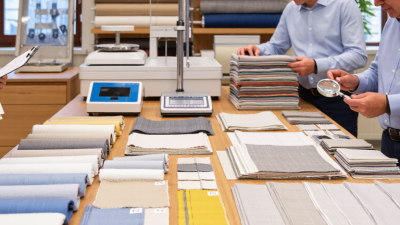
A dependable supplier should explain fiber origins, dyeing methods, production capacity, and quality controls without avoiding specific details. Ask for recent test reports, relevant certifications, factory addresses, and references from comparable buyers. Then compare those documents with physical samples. A soft swatch may feel excellent, yet shrink badly after washing. Quality leaves evidence.

Visit the facility when possible. Observe storage conditions, labeling systems, fabric inspection, and how workers handle rejected rolls. A neat showroom proves little. Real reliability appears in ordinary areas, such as inventory records and response times. Suppliers should also disclose subcontracting instead of hiding production behind vague promises.

No checklist is perfect. I would still request a small trial order before signing a large agreement. Track delivery accuracy, color consistency, packaging, and how quickly problems are corrected. One missed shipment may be accidental. Repeated excuses reveal a pattern.

The strongest group textile partner is not always the cheapest option. It is the supplier that communicates clearly, documents claims, protects consistent quality, and accepts reasonable scrutiny. In this industry, trust should grow from verified performance, not confident language alone.

How to Find a Reliable Textile Group Supplier?

Define Your Textile Group’s Product and Sourcing Requirements

Start with the product, not the supplier directory. Write the fiber blend, yarn count, fabric weight, width, construction, color standard, and finishing process. Add acceptable tolerances for shrinkage, pilling, colorfastness, and dimensional stability. A 180 gsm jersey should not quietly become 165 gsm after washing. That small difference can affect cutting plans and customer returns.

Textile Exchange’s Materials Market Report 2024 states that global fiber production reached 124 million tonnes in 2023. It may reach 160 million tonnes by 2030. This scale makes material choices commercially important, not decorative. Define whether recycled content needs third-party verification, and specify the accepted test method. UNEP reports that textile production creates 2–8% of global greenhouse gas emissions. Therefore, request energy data, water-use information, chemical management records, and traceability by processing stage. “Sustainable” is too vague.

Set practical sourcing requirements beside technical ones. Include annual volume, trial quantity, minimum order quantity, target cost, delivery window, packaging rules, payment terms, and preferred shipping terms. Ask for a pre-production sample and a sealed reference swatch. Keep one sample yourself. It prevents memory from becoming the quality standard. A useful warning: my first sourcing briefs often described the ideal fabric but ignored factory capacity and replenishment timing. That mistake caused avoidable delays. Leave room for correction, because a perfect specification on paper can still fail during bulk production.

Define Your Textile Group’s Product and Sourcing Requirements

A clear requirement profile helps buyers compare textile suppliers consistently. The chart uses a 1–5 planning scale, where 5 represents the highest priority for supplier evaluation.

Product performance requirements such as fiber composition, fabric weight, colorfastness, and dimensional stability should be confirmed with technical specifications and test reports. Commercial requirements, including minimum order quantity, lead time, and compliance documentation, should be agreed before sampling.

Research Potential Suppliers and Verify Their Industry Credentials

How to Find a Reliable Textile Group Supplier?

Research Potential Suppliers and Verify Their Industry Credentials

A reliable textile supplier deserves more than a polished website. Research its legal registration, factory address, ownership, and operating history. Check whether the listed facility actually produces fabric, garments, or both. A warehouse address may reveal an important difference. Request recent production photos, sample records, and a clear explanation of subcontracting practices.

Verify every industry credential with the issuing organization. Check the certificate number, validity period, covered site, and approved product scope. A certificate for one factory cannot automatically support another facility. Review quality procedures, material traceability, worker safety policies, and environmental testing documents. Ask which laboratory performed each test and whether the report matches your intended fabric.

Speak with recent customers when possible. Ask about shipment accuracy, shade consistency, defect rates, and complaint handling. Suppliers should answer with measurable details, not broad promises. Request a small sample order before discussing large volumes. Compare the delivered sample with the specification sheet, including weight, width, fiber content, shrinkage, and color tolerance.

Be careful with impressive audit folders. I once treated neatly arranged documents as strong evidence, but documents can hide outdated conditions. Factory visits and independent inspections provide better context. Still, one visit is not enough. Production changes, staff turnover, and rushed orders can expose weaknesses later. A reliable review remains cautious, records unanswered questions, and checks whether the supplier’s daily practices match its credentials.

How to Find a Reliable Textile Group Supplier? — Research Potential Suppliers and Verify Their Industry Credentials
Verification Dimension What to Check Acceptable Evidence Independent Verification Method Risk if Unverified Priority
Legal business identity Confirm the supplier's registered legal entity, operating address, business scope, and ownership details. Current business registration document, tax registration information, official address, and matching company details on quotations and contracts. Compare documents with the relevant government business registry or an official commercial information database. Payments may be made to an unverified entity, creating contract and recovery risks. High
Manufacturing capability Determine whether the supplier owns production facilities or uses approved subcontractors, and verify capacity for the required textile type. Factory address, production-line list, machinery summary, monthly capacity, process flow, and recent production records. Conduct a live video audit, physical factory visit, or independent third-party factory assessment. Orders may be outsourced without approval, causing delays, inconsistent quality, or limited traceability. High
Quality management system Check whether quality procedures cover incoming materials, production controls, laboratory testing, final inspection, and corrective actions. Quality manual, inspection plans, calibration records, nonconformity reports, and a current ISO 9001 certificate where applicable. Verify the certificate number, issuing certification body, validity, and certified site through the certification body's official directory. Defects may be detected only after shipment, increasing rework, returns, and warranty costs. High
Material safety and restricted substances Assess controls for dyes, finishing chemicals, heavy metals, formaldehyde, azo colorants, and other restricted substances relevant to the destination market. Recent laboratory test reports identifying the tested material, color, production lot, test methods, and applicable limits. Confirm that the laboratory is competent and that the report can be authenticated directly with the laboratory. Non-compliant products may be rejected by customs, retailers, or end customers. High
Organic fiber claims For products marketed as organic, verify both processing requirements and the chain of custody from certified inputs to finished goods. Current scope certificate and transaction certificate covering the relevant product, facility, material, and shipment. Validate the certificate with the authorized certification body and check that the certificate scope matches the ordered goods. Incorrect organic claims can lead to product relabeling, legal exposure, and loss of customer trust. High
Recycled material claims Verify the percentage and origin of recycled fibers and ensure that processing sites are included in the certification scope. Valid chain-of-custody certificate, transaction documentation, bill of materials, and product-specific claim information. Check the certificate in the relevant certification body's database and reconcile quantities across purchase and sales documents. Marketing claims may be inaccurate, and recycled content may not be traceable to a verified source. Medium
Social compliance Review controls for forced labor, child labor, wages, working hours, health and safety, discrimination, and freedom of association. Recent social audit report, corrective action plan, worker grievance procedure, payroll samples, and age-verification records. Use an independent audit and interview workers privately; verify that corrective actions have been closed with objective evidence. Labor violations can cause supply interruption, reputational damage, and legal or customer sanctions. High
Environmental management Evaluate wastewater, chemical storage, energy use, emissions, waste handling, and environmental permits relevant to wet processing. Environmental permits, wastewater test results, chemical inventory, waste-transfer records, and an environmental management certificate where applicable. Review permit status with the competent authority and inspect records during an on-site or remote audit. Uncontrolled environmental impacts may result in fines, shutdowns, or customer delisting. Medium
Testing and laboratory competence Confirm that textile performance tests cover the buyer's specifications, including colorfastness, shrinkage, dimensional stability, strength, and pilling. Test reports with sample identification, test date, method standard, measured result, acceptance limit, and laboratory details. Confirm laboratory accreditation and contact the laboratory independently when report authenticity is material to the decision. Products may pass internal inspection but fail customer, regulatory, or performance requirements. High
Traceability and document control Check whether raw materials, dye lots, production batches, inspections, and shipments can be linked through documented records. Lot numbering system, purchase records, production logs, inspection records, packing lists, and retained samples. Perform a backward and forward traceability test using one finished-goods lot. Defective or non-compliant batches may be impossible to isolate or recall efficiently. High
Financial and commercial stability Assess payment terms, production continuity, insurance, dispute history, and the supplier's ability to support long-term orders. Trade references, audited or management financial information, insurance evidence, bank details, and a clear contract structure. Contact references using independently sourced contact details and verify bank-account changes through a second communication channel. Advance payments may be exposed to fraud, production stoppage, or insolvency risk. High
Pre-production validation Confirm that the supplier can meet specifications before bulk manufacturing begins. Approved laboratory-dip submissions, color standards, sample approval records, pre-production samples, and signed technical specifications. Compare approved samples with bulk-production samples and use independent inspection before shipment. Color, handle, dimensions, composition, or performance may differ from the approved sample. Standard
Shipment and inspection controls Define inspection stages, acceptance criteria, packaging requirements, and procedures for non-conforming goods. Purchase specification, inspection checklist, sampling plan, inspection report, packing list, and agreed corrective-action process. Use a documented acceptance sampling plan and an independent pre-shipment inspection for higher-value orders. Defects, shortages, or packaging damage may be discovered after the goods leave the supplier. High
Verification principle: certificates should be current, issued by a competent body, applicable to the exact legal entity and production site, and relevant to the specific products ordered. A certificate alone should not replace factory audits, product testing, sample approval, and shipment inspection.

Assess Manufacturing Capacity, Quality Systems, and Material Standards

How to Find a Reliable Textile Group Supplier?

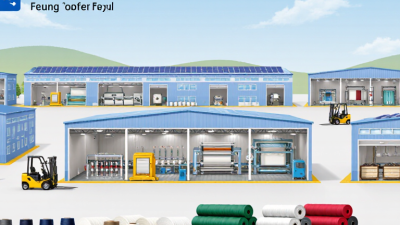
Assess manufacturing capacity before reviewing price. Request machine lists, monthly output, and recent production records. Textile Exchange’s Materials Market Report 2024 estimates global fiber production reached 124 million tonnes in 2023. It may approach 160 million tonnes by 2030. This growth increases pressure on factories, especially during peak seasons. Ask whether the supplier controls weaving, dyeing, finishing, and packing internally. A factory with strong capacity should explain lead times using real production schedules, not vague promises.

Quality systems need visible evidence. Review inspection procedures, calibration records, defect limits, and corrective-action reports. ISO 9001 provides a useful framework, but a certificate alone proves little. Check how workers record fabric weight, width, shrinkage, colorfastness, and seam strength. Material standards also require traceability. Request fiber-content tests, recycled-content evidence, and restricted-substance reports for each relevant lot. Textile Exchange reports that polyester represented about 57% of global fiber production in 2023. Therefore, recycled claims deserve careful verification. A supplier may present excellent samples yet struggle with bulk consistency. That uncomfortable gap needs testing.

Tips: Visit the production floor when possible. Compare sample and bulk fabric under the same light. Ask for two failed inspection reports, not only successful ones. Confirm laboratory independence and report dates. Keep one sealed reference sample for later comparison. Do not confuse fast replies with reliable control. I have seen neat audit files hide weak dye-lot management; repeated checks remain necessary.

Compare Pricing, Lead Times, Communication, and Contract Terms

A reliable textile group supplier should be compared beyond the lowest quotation. McKinsey’s State of Fashion 2024 reported that 39% of fashion executives viewed geopolitical instability as their greatest risk. This makes lead-time reliability commercially important. Request a price breakdown for fabric, labor, testing, packaging, and freight. Then compare minimum order quantities and payment milestones. A cheap offer may hide expensive revisions.

Ask suppliers to provide production calendars with cutting, dyeing, inspection, and dispatch dates. Confirm their average delay rate, not only their promised lead time. Communication also needs measurable standards. Define response times, sample approval procedures, video inspection access, and escalation contacts. The World Bank’s Logistics Performance Index 2023 showed significant differences in customs and shipment efficiency across countries. Therefore, a supplier’s location can affect delivery risk. Do not assume nearby means faster.

Tips: Attach a detailed specification sheet to the quotation request. Record every promise in writing. Include acceptable tolerance ranges for color, measurements, and defects. Contract terms should cover late-delivery remedies, inspection rights, replacement procedures, confidentiality, and change approval. Avoid vague wording such as “good quality.” It invites disputes. Still, no contract removes every risk. A realistic buffer is often wiser than an impressive schedule. Review two or three production cycles before increasing order volume, because early performance can be unusually careful.

Test Samples and Confirm Supplier Reliability Before Placing Orders

How to Find a Reliable Textile Group Supplier?

A polished sample does not guarantee consistent bulk production. I learned this after receiving fabric with accurate colors but unexpected shrinkage. Always request test samples before discussing a large order. Check fabric weight, texture, stitching, colorfastness, and washing performance. Measure each sample after washing, not only before. Record the results with photos and simple inspection notes.

Ask the supplier to produce samples using the same materials and process planned for bulk manufacturing. Compare several pieces from one batch. Small differences may reveal weak process control. Request production timelines, quality inspection procedures, and clear responses to defect claims. A reliable supplier explains limitations instead of promising everything. However, one successful sample is not enough evidence. I once trusted a detailed report too quickly, and the supplier later changed the fabric source without clear notice.

Tips: Send a written sample checklist. Include fabric composition, GSM, dimensions, color reference, shrinkage limits, packaging details, and acceptable defect levels. Test samples in realistic conditions, including repeated washing and handling. Ask who performs the inspection and when. Keep all approvals in dated records. If possible, arrange a factory visit or live video inspection. Notice the storage area, labeling system, and workers’ handling practices. Delayed answers matter. Vague answers matter more. Reliability is shown through repeated, documented performance, not attractive samples alone.

Scroll to Top