
What Are the Top Textile Spray Types in 2026?
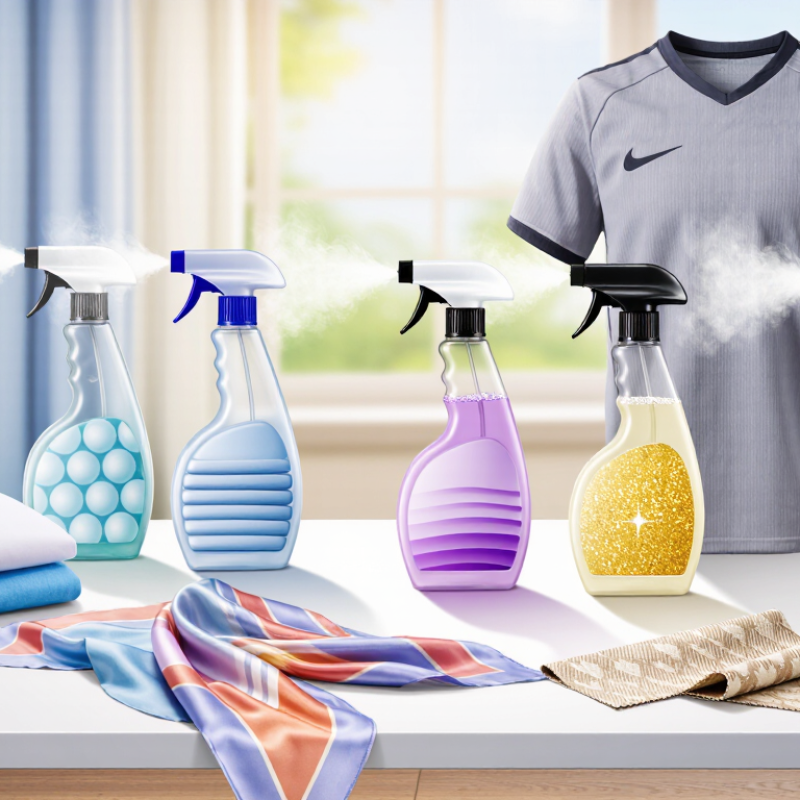
Textile care has become more targeted. A textile spray may help repel spills, reduce wrinkles, limit static, refresh color, or neutralize everyday odors. The right choice depends on the fabric, the task, and the product’s instructions. A spray designed for upholstery may not suit silk or technical sportswear. Small details matter.
This guide explores the top textile spray types to watch in 2026, including fabric protectors, wrinkle-release sprays, odor-control formulas, and static reducers. It also considers water-repellent options and color-refresh products. Each type serves a different purpose. Some are intended for routine care; others work best for a specific material or situation.
Labels deserve attention. Check the approved fabrics, application distance, drying time, and whether a test on a hidden area is recommended. Ventilation and careful use matter, too. Product performance can vary with fiber, finish, and wear. There is no universal pick. That is easy to forget when a label promises several benefits at once.
The sections ahead compare practical uses and limitations, helping readers match a spray to clothing, curtains, upholstery, or outdoor textiles. They also explain which claims deserve a closer look. A neat finish is useful. So is knowing when spraying is not the best answer.
How Textile Sprays Work and How Their Types Are Classified
What Are the Top Textile Spray Types in 2026?
Textile sprays are classified by what they do, not just by their packaging. Most deliver a small amount of active ingredient in a liquid carrier. The carrier spreads across the fabric, then evaporates. Some ingredients leave a thin surface layer; others interact with fibers or existing finishes. The result depends on the textile, the spray, and how evenly it is applied. A cotton shirt and a coated outdoor jacket may respond very differently.
Common types include water-repellent sprays, stain-release treatments, wrinkle-releasing sprays, and antistatic products. Water repellents help droplets bead on a surface, while stain-release treatments can make some soils easier to remove during washing. Wrinkle releasers lightly relax creases, often with help from moisture and gentle smoothing. Antistatic sprays reduce cling by changing how electrical charge builds on fabric. Fabric freshening sprays address unwanted odors, but they do not necessarily clean the material.
Different jobs.
Check the care label before applying any spray. Test a hidden area first, especially on dark, delicate, or coated fabrics. Use light, even passes rather than soaking the cloth, and allow it to dry fully. These steps reduce the chance of spotting or an uneven feel. Still, a patch test is not a perfect prediction; finishes can vary across one garment, and performance may fade after washing. A useful choice matches the spray’s stated purpose to the fabric and the care instructions.
Water-Repellent and Waterproof Textile Sprays
Water-repellent and waterproof textile sprays both help limit water, but they do not do the same job. A water-repellent treatment encourages droplets to bead and roll off the fabric’s surface. It can suit jackets, backpacks, and patio cushions exposed to light showers. Waterproof sprays aim for a stronger barrier, yet a surface treatment cannot seal stitched seams, worn coatings, or fabric openings. That distinction matters. A treated shell may resist drizzle but still leak during steady rain or under pressure.
Before spraying, check the care label and test a hidden patch. Clean fabric helps the treatment spread evenly; detergent residue can cause pale marks or uneven beading. Apply light, overlapping passes in a well-ventilated space, following the stated distance and drying time. Too much spray can stiffen fabric or change its feel. Let it dry fully before wearing or packing the item. And check the result. A few drops on a sleeve offer a rough test, not proof of full waterproofing. Washing and abrasion may reduce protection, though timing varies by fabric and use. I wouldn’t trust a spray alone in a prolonged downpour; even a quick rain test can reveal seams you missed.
Stain-Resistant and Soil-Release Textile Sprays
Among the most useful textile spray types in 2026 are stain-resistant and soil-release treatments. They solve different problems. Stain-resistant sprays leave a finish that can slow spills from soaking into fibers. On a cotton cushion, a small splash may bead briefly instead of spreading. That extra time helps with blotting, but it does not make fabric waterproof. Performance varies with fiber, weave, and existing finishes.
Soil-release sprays are designed to help grime detach during washing, rather than simply repel it at the surface. Some finishes make fibers more water-wettable, allowing detergent and rinse water to carry away oily soil. This can matter on work shirts, table linens, and washable upholstery covers. The result depends on correct laundering. A coating cannot rescue every set-in mark.
Check the care label before applying any spray, and test a hidden area first. Look for changes in color, texture, or breathability after the fabric dries. Not magic. A heavier coating may alter the hand of a soft fabric, and repeated washing can reduce performance. That trade-off deserves attention. Use only as directed, allow the treated item to dry fully, and reassess whether the finish still suits how the textile is used.
What Are the Top Textile Spray Types in 2026? - Stain-Resistant and Soil-Release Textile Sprays
Comparison of common spray-applied textile treatment types. Performance depends on the fabric, formulation, application method, curing, and care conditions; this is a practical overview, not a market-share ranking.
| Spray type | Typical treatment chemistry | Main function | Common textile uses | Key considerations |
|---|---|---|---|---|
| Fluorinated water-and-oil repellents | Fluorinated polymer finishes, including some short-chain chemistries | Can provide resistance to both water and oily stains | Selected outdoor apparel, upholstery, and performance fabrics | Restrictions and requirements vary by jurisdiction and continue to evolve. Verify chemical composition and applicable rules; performance can decline with wear and laundering. |
| Fluorine-free hydrocarbon or wax repellents | Hydrocarbon-based polymers, waxes, or related water-repellent formulations | Primarily helps water bead and may reduce some water-based soiling | Outdoor fabrics, canvas, and some apparel or home textiles | Generally offers less oil repellency than fluorinated treatments. Results depend on fabric construction and finish; some formulations can alter fabric feel. |
| Silicone or siloxane water repellents | Silicone-based polymers or siloxane compounds | Adds water repellency and can preserve a soft fabric hand | Outdoor textiles, upholstery, and selected apparel | Usually does not provide strong oil repellency. Surface treatment may affect later dyeing, bonding, or finishing, so compatibility testing is important. |
| Polyurethane or acrylic barrier sprays | Film-forming polyurethane or acrylic polymers | Forms a surface layer that can help block liquid penetration and staining | Upholstery, coated fabrics, and some protective textile applications | A continuous film can change breathability, drape, or appearance. Durability depends on film design, adhesion, abrasion, and care conditions. |
| Hydrophilic soil-release sprays | Water-attracting polymers designed to improve wetting of the textile surface | Helps oily soil loosen during washing; it is soil release rather than a barrier against every stain | Especially relevant to polyester and polyester blends, as well as selected easy-care textiles | Benefit is assessed after laundering. Performance depends on polymer compatibility, application, and wash conditions; it may not prevent a fresh spill from initially wetting the fabric. |
Before use, check the product directions and textile care label, test an inconspicuous area, and follow ventilation and curing instructions.
Antimicrobial, Odor-Control, and UV-Protection Textile Sprays
Antimicrobial, odor-control, and UV-protection sprays serve different needs. Antimicrobial finishes can limit the growth of odor-causing bacteria on fabric, but they do not make clothing sterile. AATCC TM100 provides a quantitative method for assessing antibacterial activity on treated textiles. Odor-control sprays may instead use odor-binding ingredients, so check whether a product targets smells or microbes. They are not interchangeable. Small details matter.
UV-protection sprays aim to reduce ultraviolet transmission through fabric, especially on exposed sleeves, hats, and outdoor gear. AATCC TM183 measures UV transmission in textiles, offering a more useful reference than an untested “sun shield” claim. Textile Exchange’s Materials Market Report 2024 estimates global fiber production reached 124 million tonnes in 2023 and could rise to 160 million tonnes by 2030. That scale makes textile care relevant, but spray performance still depends on the fabric, application, and washing. Reapply only as directed, and treat protection after laundering as an open question unless testing confirms it. A spray may help, but it cannot reliably replace a tightly woven garment or shade.
What Are the Top Textile Spray Types in 2026? Antimicrobial, Odor-Control, and UV-Protection Textile Sprays
Antimicrobial sprays help limit the growth of odor-causing microbes, while odor-control sprays target unwanted smells. UV-protection performance is commonly expressed as UPF: the chart shows the minimum rating for each protection class. These ratings describe the finished textile, so check the treated fabric’s rating and follow the product’s care instructions.
Flame-Retardant, Wrinkle-Release, and Other Specialty Textile Sprays
Specialty textile sprays solve narrow problems, but they are not interchangeable. Flame-retardant sprays can reduce ignition or flame spread on compatible fabrics; they do not make every garment fireproof. Check the product’s test data, fabric limits, and wash durability. For curtains or upholstery, a treated swatch may behave differently after cleaning. That detail is easy to overlook.
Wrinkle-release sprays relax creases in shirts and travel clothing, while water- and stain-repellent sprays target surface moisture and spills. Antistatic and odor-control sprays address comfort, but their effects may fade with wear. Textile Exchange’s Materials Market Report 2024 estimated global fiber production at 124 million tonnes in 2023. That scale makes longer use of existing textiles worth considering, though a spray alone cannot prove a garment lasts longer. Some finishes also change hand feel or breathability. A little disappointment is possible.
Tips: Test an inconspicuous area first. Follow the label’s ventilation and drying directions, and never apply a specialty finish to an incompatible fabric. For flame protection, rely on products with relevant test evidence—not marketing language—and recheck performance after laundering.
Related Posts
-
How to Enhance Sustainability in the Textile Industry?
-
2026 How to Master the Dyeing Process for Global Sourcing?
-
Top 10 Textile Finishing Processes for Global Buyers
-

How to Achieve Sustainable Dyeing Techniques in 2026?
-
How to Navigate the Textile Industry Process for Global Sourcing?
-

10 Essential Tips for the Process of Dyeing in the Textile Industry?