Top 10 Textile Finishing Processes for Global Buyers
For global buyers, textile finishing is where a fabric’s commercial promise becomes tangible. It controls softness, drape, color depth, shrinkage, water repellency, and surface durability. A mill may deliver identical greige fabric, yet different finishing choices can change its hand feel completely.
Textile Exchange’s Materials Market Report 2024 estimates that global fiber production reached 124 million tonnes in 2023. It could rise to 160 million tonnes by 2030. This growth increases pressure on buyers to evaluate more than appearance. UNEP reports that textiles contribute approximately 2–8% of global greenhouse-gas emissions. Finishing can also influence water use, chemical management, wastewater quality, and product lifespan. Small process decisions matter.
This guide examines ten widely used textile finishing processes for international sourcing teams. It considers mechanical treatments, chemical finishes, heat setting, calendaring, brushing, coating, and functional performance finishes. Practical checkpoints include fabric width, GSM, residual shrinkage, pH, colorfastness, odor, and abrasion resistance. Ask for laboratory reports. Request production samples. Touch the fabric after washing, not only before shipment.
No finish is universally superior. A silicone softener may improve drape but reduce moisture absorption. A durable water-repellent finish may support performance, yet its chemistry requires careful supplier verification. Some finishes look excellent under showroom lighting and fail after repeated laundering. That is an uncomfortable lesson. Buyers should compare test data with actual end-use demands, applicable standards, and documented chemical controls. Supplier claims alone are not enough.
Textile Finishing: Purpose, Scope, and Key Performance Goals
Top 10 Textile Finishing Processes for Global Buyers
Textile Finishing: Purpose, Scope, and Key Performance Goals
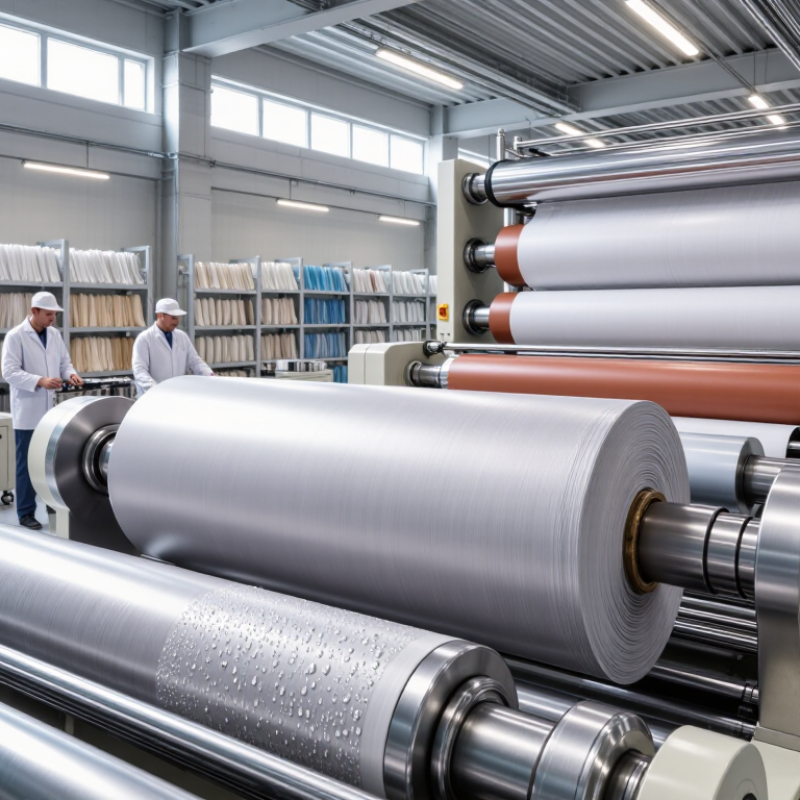
Textile finishing converts unfinished fabric into a usable, reliable material. It can improve softness, appearance, dimensional stability, protection, and care performance. Common processes include calendaring, brushing, raising, coating, sanforizing, softening, flame resistance, water repellency, anti-pilling treatment, and wrinkle control.
The scope is wider than surface appearance. Buyers should assess shrinkage, shade consistency, colorfastness, abrasion resistance, breathability, and chemical safety. Textile Exchange reported global fiber production at 124 million tonnes in 2023. It may reach 160 million tonnes by 2030. This scale makes finishing efficiency increasingly important. UNEP estimates textiles create 2–8% of global greenhouse gas emissions. Energy, water, drying, and reprocessing deserve close review.
Performance goals must match the final use. A brushed fabric may feel warmer, but it can pill faster. A coating can improve protection, yet reduce breathability. Perfect results are uncommon. Testing often reveals trade-offs.
Tips: Request laboratory data before bulk approval. Check wash shrinkage after three cycles, not only before washing. Ask for chemical test reports, restricted-substance compliance, and production-batch records. Compare hand feel under natural and artificial light. Keep the target measurable, because “soft” and “premium” can mean different things to different teams. According to Textile Exchange’s Materials Market Report 2024, recycled and preferred fibers are gaining attention, but finishing still determines much of the product’s practical performance.
The Ten Essential Textile Finishing Processes Explained
Textile finishing determines how fabric looks, feels, performs, and survives repeated washing. The ten essential processes are desizing, scouring, bleaching, mercerizing, dyeing, printing, softening, calendaring, water-repellent finishing, and coating or lamination. Each process changes the material’s surface or structure.
Desizing removes weaving lubricants. Scouring clears natural oils and impurities. Bleaching improves whiteness, while mercerizing strengthens cotton and increases dye uptake. Dyeing adds uniform color; printing creates localized patterns. Softening changes hand feel, and calendaring compresses fabric for a smoother surface. Water-repellent finishes help rain bead on outerwear. Coating or lamination can add barriers against wind, moisture, or abrasion. Small errors matter. Uneven heating may create visible shade bands.
The Textile Exchange Materials Market Report 2024 recorded approximately 124 million tonnes of global fiber production in 2023. This scale makes finishing efficiency commercially important. UNEP’s 2023 textile report links the textile value chain to 2–8% of global greenhouse gas emissions and about 215 trillion liters of annual water use. Buyers should request process records, chemical compliance documents, colorfastness results, and dimensional-change data. ISO or AATCC test methods improve comparability between suppliers. A soft fabric may still pill quickly. A water-repellent finish may weaken after laundering. Performance claims need practical wash testing, not attractive samples alone.
Top 10 Textile Finishing Processes for Global Buyers
The Ten Essential Textile Finishing Processes Explained
This chart compares representative operating temperatures commonly used in textile wet processing and finishing. Values are approximate midpoints of widely used industrial ranges and may vary according to fiber type, fabric construction, chemicals, machinery, and required performance.
How Each Finishing Process Changes Fabric Performance and Appearance
Top 10 Textile Finishing Processes for Global Buyers
Finishing determines how fabric feels, performs, and looks after production.
Calendaring
compresses yarns, creating a smoother surface and sharper sheen.
Brushing
lifts soft fibers for warmth and a peach-like hand.
Raising
produces a thicker, insulating nap.
Shearing
trims uneven fibers and improves surface clarity.
Mercerizing
strengthens cotton and increases luster, although it may reduce its natural softness.
Sanforizing
controls shrinkage, helping garments retain their measurements.
Enzyme washing
softens cellulose fibers and creates a worn appearance.
Coating
adds protection against water, oil, or abrasion.
Laminating
bonds layers for wind resistance and structure.
Durable water-repellent finishing
encourages droplets to roll away, but performance can decline with washing.
Tips: Request test reports for shrinkage, colorfastness, air permeability, and abrasion. Compare fabric before and after laundering. Ask for the finishing recipe’s intended use, not just its trade description. A glossy sample may hide stiffness. Touch matters.
In my sourcing experience, appearance and performance rarely improve together. A heavy coating can block moisture vapor, while aggressive brushing may increase pilling. Water-repellent finishes can also change breathability and fabric drape. Buyers should inspect production samples, not only laboratory swatches. Check width, weight, handle, odor, and shade under different lighting. Some results vary between dye lots. That detail deserves attention. A finish that suits outerwear may feel wrong in shirts, bedding, or children’s garments. Allow room for revision before bulk approval.
Quality, Compliance, and Testing Criteria for Global Buyers
Top 10 Textile Finishing Processes for Global Buyers
Quality begins after dyeing, not at shipment. Finishing can improve softness, shrinkage control, appearance, and performance. Common processes include calendaring, brushing, coating, mercerizing, sanforizing, and water-repellent treatment. Each process needs a clear specification, not only a visual approval. Buyers should check fabric weight, width, color difference, hand feel, and surface defects. Small variations may become serious after washing.
Testing should match the product’s end use and destination-market requirements. Useful checks include dimensional stability, colorfastness to washing and rubbing, pilling, tear strength, seam slippage, and abrasion resistance. Chemical compliance also requires controlled screening for restricted substances. Ask for test methods, sample conditioning, laboratory competence, and report dates. An independent accredited laboratory adds confidence, but paperwork alone is not enough. A perfect report can still miss inconsistent production batches.
Tips: Request finished-fabric samples before bulk production. Compare them under daylight and store lighting. Keep sealed reference swatches with approval records. Repeat testing after process changes, especially when softeners or coatings change. In practical sourcing reviews, production often differs slightly from the approved sample. That weakness deserves attention, not concealment. Require corrective actions, traceable batch records, and clear acceptance limits. Verify claims through physical testing rather than relying on finishing descriptions.
How to Select the Right Textile Finish for Different End Uses
Choosing a textile finish starts with the end use, not the supplier’s sample book. A hotel sheet needs softness, dimensional stability, and repeated-wash performance. Sportswear needs moisture management, quick drying, and low cling. Outdoor workwear may require water repellency, abrasion resistance, or flame resistance. Common options include calendaring, brushing, mercerization, softening, coating, antimicrobial treatment, wrinkle resistance, and moisture-wicking finishes.
The market is growing quickly. Textile Exchange’s Materials Market Report 2024 recorded global fiber production at about 124 million tonnes in 2023. It expects production to reach 160 million tonnes by 2030. This scale makes durability and chemical transparency practical buying priorities. For children’s clothing, test skin-contact safety and colorfastness. For medical or hospitality textiles, verify laundering cycles and finish retention. A water-repellent finish may perform well initially, then fade after washing. That weakness is easy to miss.
Tips: Ask for test results after 5, 20, and 50 washes. Check standards such as ISO 6330 for domestic washing procedures and ISO 4920 for fabric water repellency. Require the finish chemistry, application rate, curing temperature, and restricted-substance declarations. Compare hand feel after conditioning, not directly from the finishing line. A sample can look impressive. Real use is less forgiving. Also, avoid choosing antimicrobial finishes automatically; ventilation, fiber choice, and washable construction may solve the same problem with less chemical treatment. Textile Exchange’s report also highlights rising material scrutiny, so buyers should document recycled content, traceability, and finish performance together.