What is Textile Finishing and Why is it Important for Fabrics?
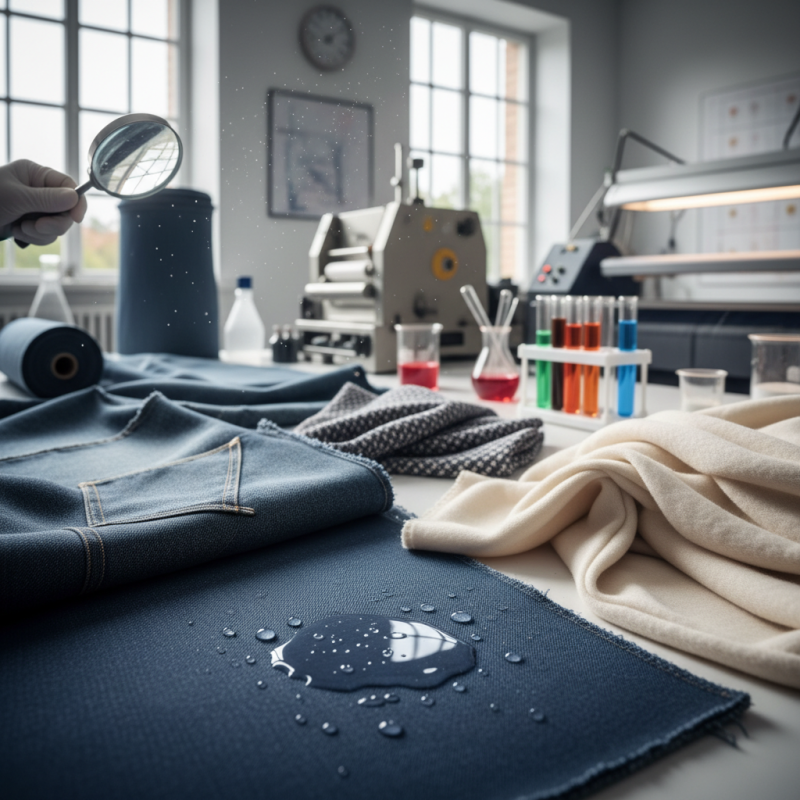
Textile finishing is a crucial process in the fabric production chain. It enhances the look and feel of materials. Different techniques can add durability, color, and texture. Without effective finishing, fabrics may not meet consumer expectations.
The variety of finishing methods is immense. Some treatments improve water resistance, while others boost softness. However, the choice of technique can sometimes lead to unexpected results. For instance, a treatment intended to strengthen the fabric may alter its original color.
Understanding textile finishing is vital for both manufacturers and consumers. It determines how fabrics perform in real-world applications. Yet, many overlook its importance. This can lead to dissatisfaction with the final product. Recognizing the role of textile finishing can lead to more informed choices and better quality fabrics.
What is Textile Finishing?
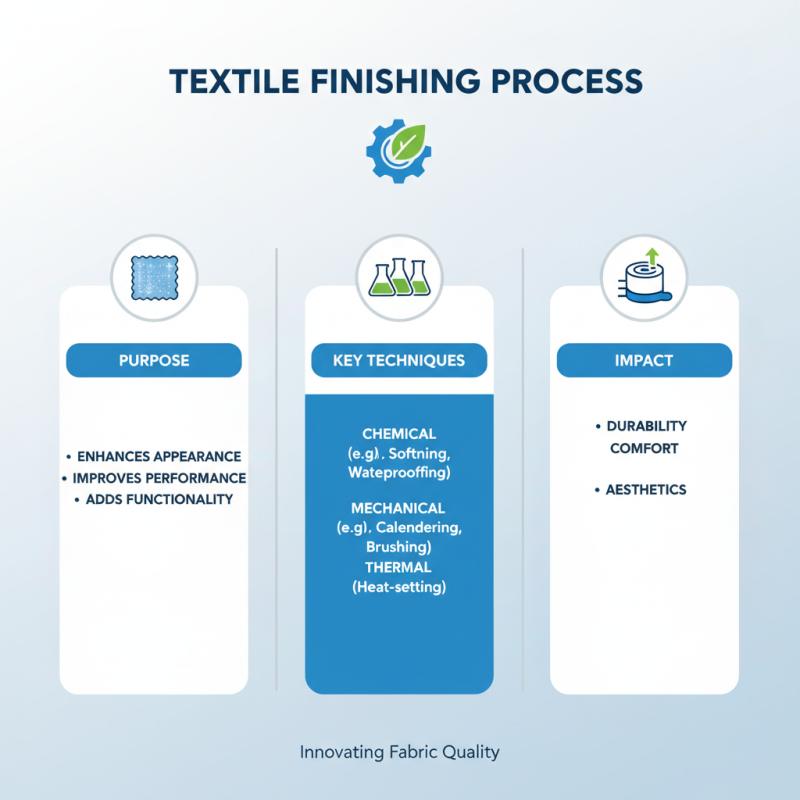
Textile finishing refers to the processes applied to fabric after weaving or knitting. These processes enhance the properties of the fabric. They can include methods that improve texture, appearance, and performance. Often, finishing treatments include chemical applications and mechanical techniques. Each method aims to prepare the fabric for its final use.
For instance, you might have seen fabrics treated for water resistance. Others undergo processes that make them softer or more durable. Some finishes can change how a fabric reacts to color, making dyeing more efficient. However, not all textiles benefit from finishing. Some treatments can reduce the natural feel or breathability of the fabric. It's essential to weigh these pros and cons.
The world of textile finishing is complex. Each fabric type responds differently to treatments. Understanding these nuances is crucial. To achieve desired outcomes, experimentation is often needed. The journey to perfecting a fabric can be filled with trial and error. Embracing this process allows for the creation of fabrics that truly meet the needs of their end-users.
History of Textile Finishing Processes
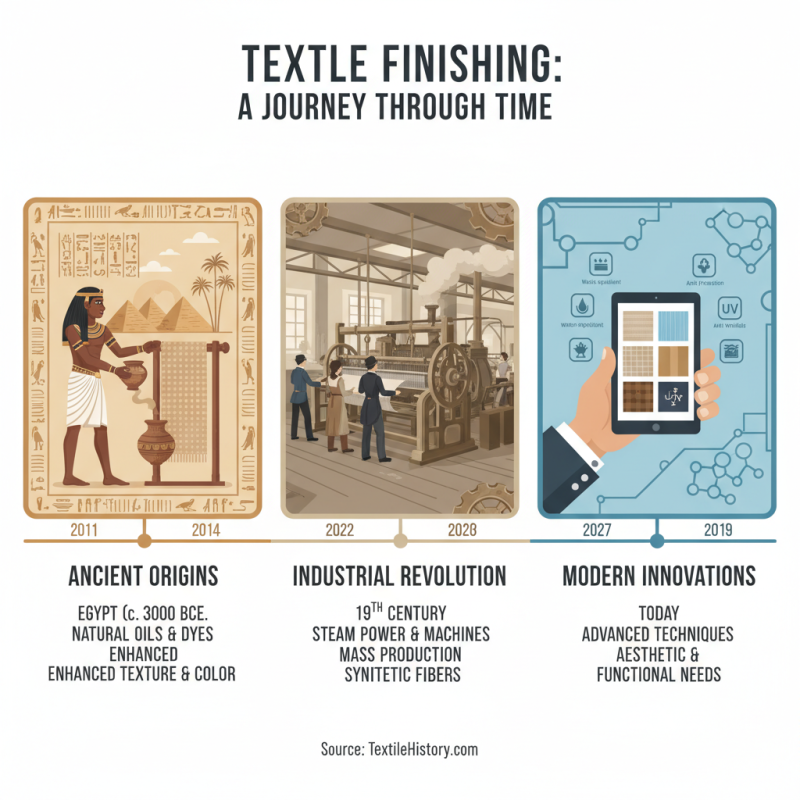
Textile finishing has a rich history that dates back thousands of years. Early civilizations, such as the Egyptians, used natural oils and dyes to enhance cloth. They applied these substances to improve texture and color vibrancy. Over time, methods have evolved significantly. By the 19th century, the invention of steam power and advanced machinery transformed the textile industry. This paved the way for synthetic fibers and modern finishing techniques, addressing both aesthetic and functional needs.
Today, industries utilize more than just dyes and oils. Techniques such as mercerizing, embossing, and coating are now common. According to a recent industry report, the global textile finishing market was valued at approximately $30 billion in 2022. This is projected to grow annually by about 4% over the next five years. Such growth shows how vital finishing processes are to achieving desired characteristics like durability, stain resistance, and comfort.
Tips: To minimize environmental impact, consider eco-friendly finishing techniques. Consumers increasingly prefer sustainably finished fabrics. Remember, not all finishes are created equal. Each process can affect the fabric's biodegradability. Therefore, it's essential to research finishing methods before making fabric choices. Recognizing the history of textile finishing can help consumers appreciate their fabric choices more profoundly. Each fabric tells a story influenced by its finishing journey.
Types of Textile Finishing Techniques
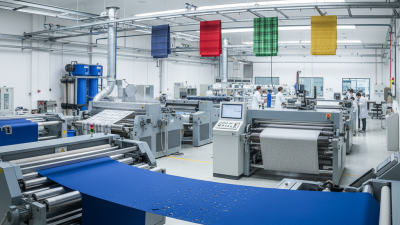
Textile finishing is a vital process in fabric production. It enhances the appearance and performance of textiles. Various techniques are used in this field. Each method has distinct advantages and challenges.
Common finishing techniques include mechanical and chemical methods. Mechanical finishing involves processes like raising, shearing, and calendering. These methods improve the texture and surface of fabrics. Research indicates that about 70% of fabric attributes depend on these mechanical processes. On the other hand, chemical finishing uses substances to impart specific properties such as water resistance and flame retardancy. However, chemical treatments may raise environmental concerns. Reports suggest that over 20% of textile pollution comes from these chemicals.
Sustainability is a crucial factor in today's textile industry. Many companies are exploring eco-friendly alternatives. Yet, traditional practices often lead to waste and pollution. For example, a recent study highlighted that nearly 40% of water used in textile finishing is wasted. This inefficiency points to the need for further innovation and responsibility in the finishing process. The path ahead is complex, but the goal remains clear: improving textile quality while minimizing environmental impact.
Benefits of Textile Finishing for Fabrics
Textile finishing plays a crucial role in enhancing the properties of fabrics. This process involves various treatments to improve performance and aesthetics. According to a report by the Textile World, around 40% of a fabric’s qualities are determined during the finishing stage. It’s more than just making it look good; it’s about functionality.
One major benefit of textile finishing is the enhancement of durability. Fabrics that undergo finishing can resist fading, shrinking, and stretching. For instance, treatments like chemical finishes can improve water resistance and stain-proofing. A study in The Journal of Textile Research noted that finished fabrics typically have a lifespan increase of 30%. This longevity reduces waste and contributes to sustainability in the fashion industry, which is increasingly vital today.
However, not all finishing processes meet environmental standards. Some chemical treatments raise concerns about their long-term impact. The pollution generated can be significant. According to the World Health Organization, around 20% of industrial water pollution comes from textile dyeing and finishing. This presents a need for more eco-friendly practices in the industry. Brands and manufacturers must reflect on their methods to balance effectiveness and sustainability.
Benefits of Textile Finishing for Fabrics
The Role of Textile Finishing in Sustainable Fashion
Textile finishing plays a vital role in the realm of sustainable fashion. This process not only enhances the aesthetic appeal of fabrics but also contributes to their environmental footprint. According to the Global Fashion Agenda, around 92 million tons of textile waste is produced globally every year. Efficient finishing techniques can reduce waste by extending the lifecycle of garments.
Finishing processes often involve treatments like dyeing and coating. These processes can consume vast amounts of water and energy. For instance, textile dyeing accounts for 20% of industrial water pollution. Sustainable alternatives, such as waterless dyeing technology, are emerging but are not widely adopted yet. Many brands still rely on outdated methods, risking both the environment and consumer perception.
The industry must reflect on its practices. The push for sustainable finishing is growing, yet challenges remain. Integrating eco-friendly materials is essential, yet not all fabrics respond well to these treatments. As consumers become more aware of sustainability issues, brands that ignore this shift may face backlash. The conversation around textile finishing is only beginning, and the need for innovation is more critical than ever.
What is Textile Finishing and Why is it Important for Fabrics? - The Role of Textile Finishing in Sustainable Fashion
| Finishing Type |
Description |
Importance for Sustainability |
| Water Repellent Finishing |
Treatment that helps fabrics resist moisture. |
Reduces washing frequency, conserving water. |
| Anti-Microbial Finishing |
Prevents the growth of bacteria and fungi on fabrics. |
Enhances fabric lifespan, reducing waste. |
| Wrinkle Resistance Finishing |
Helps fabrics maintain their shape and reduces the need for ironing. |
Saves energy and water in the laundry process. |
| Stain Resistant Finishing |
Treatment that prevents stains from setting into the fabric. |
Increases fabric longevity, contributing to sustainable practices. |
| UV Protection Finishing |
Provides fabrics with protection against harmful UV rays. |
Promotes outdoor safety with longer-lasting clothing. |