
Swimwear Lining Types: Fabrics, Coverage & Support Options for Private Label Brands
Choosing the right swimwear lining is essential for creating swimsuits that feel comfortable, provide adequate coverage, and maintain their intended fit. Common swimwear lining types include nylon-spandex tricot, polyester-spandex lining, self-lining, and power mesh. Brands can also choose different lining constructions, such as full lining, front-only lining, and targeted support panels.
However, lining fabric and lining construction are not the same thing. A brand developing a custom swimwear collection needs to consider three separate decisions: which material to use, where to place it, and what function it needs to perform.
This guide compares the main swimwear lining options and explains how to specify them for bikinis, one-piece swimsuits, and private label production.
Swimwear Lining Types at a Glance
The following table compares common lining materials and support structures used in swimwear development.
| Lining option | Main purpose | Common applications | Key consideration |
|---|---|---|---|
| Nylon-spandex tricot | Smooth coverage and flexibility | Bikinis and one-piece swimsuits | Stretch, recovery, and opacity |
| Polyester-spandex lining | Flexible inner layer | Fashion and printed swimwear | Compatibility with the outer fabric |
| Self-lining | Uses the same fabric as the outer shell | Double-layer and reversible designs | Additional bulk and fabric consumption |
| Power mesh | Targeted support and shaping | Supportive tops and shaping panels | Firmness and recovery |
| Soft microfiber lining | Soft interior feel | Comfort-focused collections | Wet performance and durability |
| Shelf-bra construction | Internal bust support | One-pieces, tankinis, and supportive tops | Elastic, cup placement, and fit |
These options are not mutually exclusive. For example, a swimsuit can use a smooth tricot lining in the main body, power mesh in a shaping panel, and a shelf bra in the bust area.
The best combination depends on the design, target customer, fabric characteristics, and intended use.
1. Nylon-Spandex Tricot Lining
Nylon-spandex tricot is a widely used option for swimsuit linings. Tricot refers to a warp-knit fabric construction rather than a particular fiber composition.
A suitable tricot lining can provide a smooth surface against the skin while stretching with the outer fabric. Nylon and spandex blends are frequently selected for their combination of flexibility, softness, and recovery.
Common applications include:
- Bikini tops and bottoms
- One-piece swimsuits
- Fashion swimwear collections
- Styles requiring a smooth interior finish

For private label brands, the important decision is not simply whether a lining contains nylon and spandex. Its stretch direction, recovery, weight, and opacity must work with the selected shell fabric.
A lining that stretches much less than the outer material may restrict movement or create unwanted tension. A lining with insufficient recovery may contribute to rippling or an uneven fit after repeated wear.
Brands should evaluate both materials together during sampling rather than approving each fabric independently.
2. Polyester-Spandex Lining
Polyester-spandex lining is another option for custom swimwear. Like nylon-based lining, it can be developed in different weights, knit structures, and stretch characteristics.
Polyester blends are often considered for printed swimwear, fashion collections, and projects with specific material-sourcing requirements.
However, fiber composition alone does not establish how a lining will perform. Fabric construction, finishing, elastane content, and testing all influence the finished garment.
When comparing polyester-spandex and nylon-spandex linings, buyers should examine:
- Fabric hand feel and comfort
- Stretch and recovery
- Wet opacity
- Color and print compatibility
- Resistance to repeated washing and intended water exposure
- Availability and consistency for future production
For example, a polyester-based shell does not automatically require a polyester lining. A different lining composition may be appropriate if the materials perform well together.
The decision should be based on an approved sample rather than a general assumption about which fiber is better.
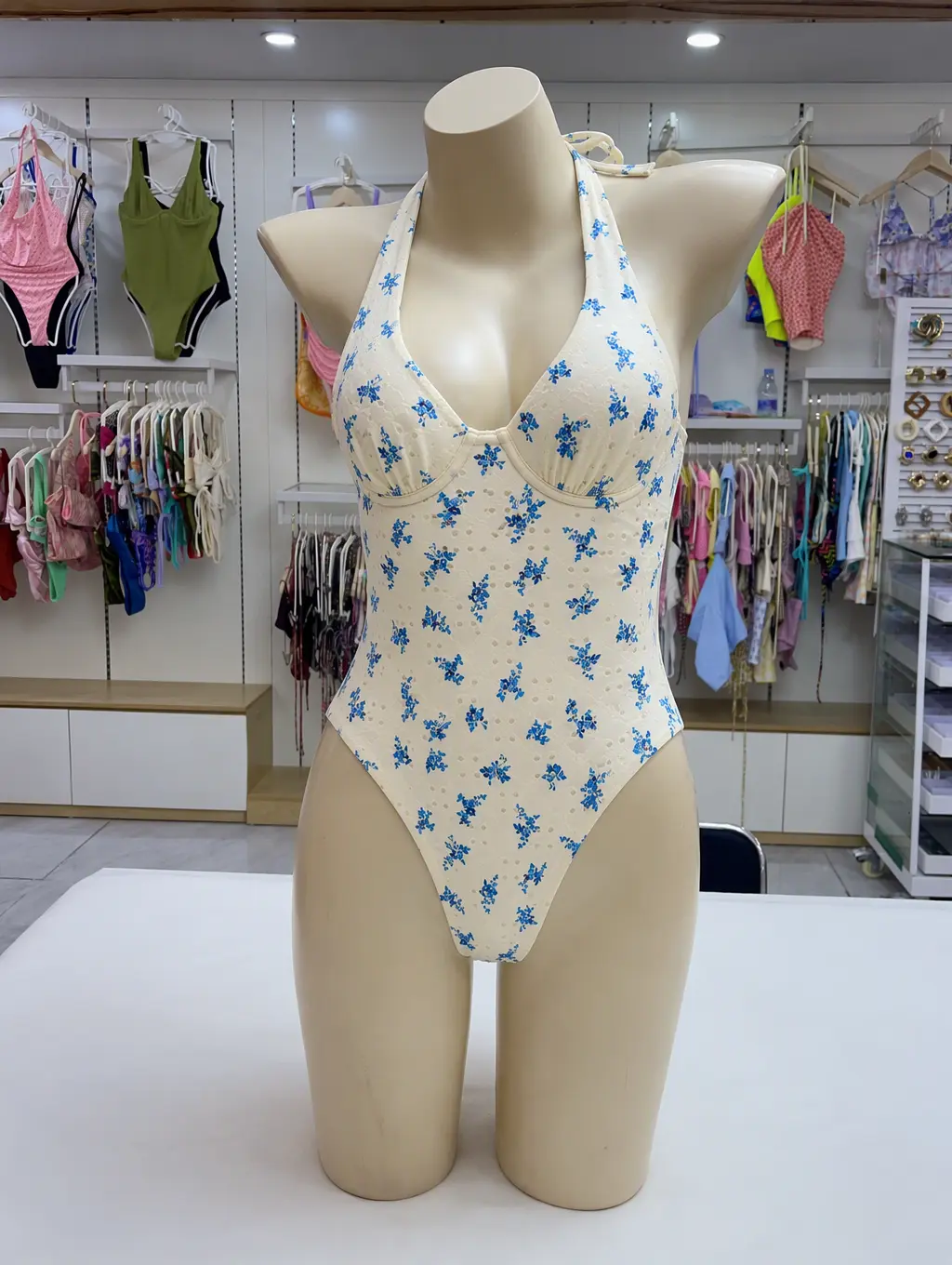
Self-Lining and Double-Layer Swimwear
Self-lining means using the same fabric for the outer shell and an internal layer.
This approach is common in some premium fashion styles and reversible swimwear designs. Using the same material on both sides can create a coordinated appearance and a more consistent surface feel.
Self-lining can also provide additional coverage when the outer fabric alone is too thin.
However, adding a second layer changes the garment.
Thicker fabrics may create unwanted bulk around seams and edges. Two layers can also influence the overall stretch, tension, and drying behavior of the finished swimsuit.
For reversible styles, the construction needs additional consideration because both sides may be visible during wear.
Brands considering double-layer swimwear should evaluate whether the design requires a fully reversible finish or simply an additional internal layer for comfort and coverage. Those two objectives can call for different construction decisions.
4. Power Mesh Lining for Support and Shaping
Power mesh is a firmer stretch fabric commonly used in selected areas of supportive swimwear.
Unlike a basic lining chosen primarily for comfort and coverage, power mesh is generally used when the design requires additional stability or controlled stretch.
Typical applications include supportive bikini tops, internal torso panels, and some shaping swimsuits.
Power mesh can help stabilize a specific area, but it should not be treated as a universal solution for every garment.
A particularly firm mesh may restrict movement or change the fit if it is placed across too much of the swimsuit. It may also create visible tension where the support panel meets a more flexible shell.
An important distinction is that power mesh does not automatically provide sufficient opacity. Because the fabric contains an open mesh structure, additional coverage may be needed beneath a light-colored or thin outer fabric.
For brands developing supportive one-piece swimsuits, targeted panel placement is often more useful than simply choosing the firmest available material.
During development, confirm which areas require support and whether the selected material maintains a comfortable fit when stretched.
5. Soft Microfiber Lining for Comfort-Focused Collections
Microfiber describes fabrics made with very fine fibers rather than one fixed swimwear composition.
Some soft microfiber knit fabrics are suitable for swimwear lining, particularly when the brand wants a smooth interior hand feel.
These materials may appeal to resortwear and fashion collections where comfort against the skin is an important part of product positioning.
However, softness should not be the only selection criterion.
A pleasant dry hand feel does not guarantee adequate opacity, recovery, or performance after water exposure.
For a comfort-focused collection, buyers should compare the lining's texture, stretch, surface stability, and finished seam feel. Test the full garment under realistic conditions before confirming the material.
Full Lining vs. Front Lining vs. Gusset Lining
After choosing the material, the next decision is how much of the swimsuit should be lined.
These terms describe lining placement, not different fiber types.
Full Lining
Full lining covers most or all relevant body panels with a separate internal fabric layer.
It is commonly considered for light-colored swimwear, certain one-piece designs, and collections where a consistent interior finish is important.
Full lining can provide additional coverage, but it also increases material consumption and may influence garment weight and drying behavior.
Front-Only Lining
Front-only lining places an additional layer in the front section while leaving selected back areas without a separate full lining.
This can be a practical option when the front requires additional coverage but the design does not need the same construction throughout.
It may reduce material use compared with a fully lined garment.
However, the transition between lined and unlined areas must be designed carefully to avoid visible edges or uneven tension.
Gusset Lining
A gusset lining is a separate internal panel positioned in the crotch area of a swimsuit bottom or one-piece.
Its main purpose is to provide an appropriate interior contact surface and contribute to comfort and coverage.
The selected material should feel comfortable, remain stable during movement, and work with the surrounding seams.
Gusset lining should not be confused with full lining or a shaping panel. It serves a different construction purpose.
How to Choose Swimwear Lining for Different Designs
Different swimwear categories place different demands on their internal materials.
Bikini Tops

For two-piece bikini designs, lining selection depends on the top's structure and intended support.
A simple triangle bikini may need a lightweight, flexible lining, while an underwire or more structured top may require additional internal components.
Brands should examine how the lining interacts with straps, elastic, cup placement, and underbust construction.
A shelf bra or power mesh panel may provide additional support in suitable designs, but neither replaces the need for accurate pattern development and fit testing.
Bikini Bottoms
Bikini bottoms require careful attention to coverage, lining placement, and elastic tension.
Light-colored bottoms may need additional lining to reduce the risk of transparency when wet or stretched.
High-waisted shaping styles may use targeted power mesh panels, although the firmness and placement must be approved through sampling.
For minimalist styles, lining thickness and edge construction become especially important because additional layers can alter the intended silhouette.
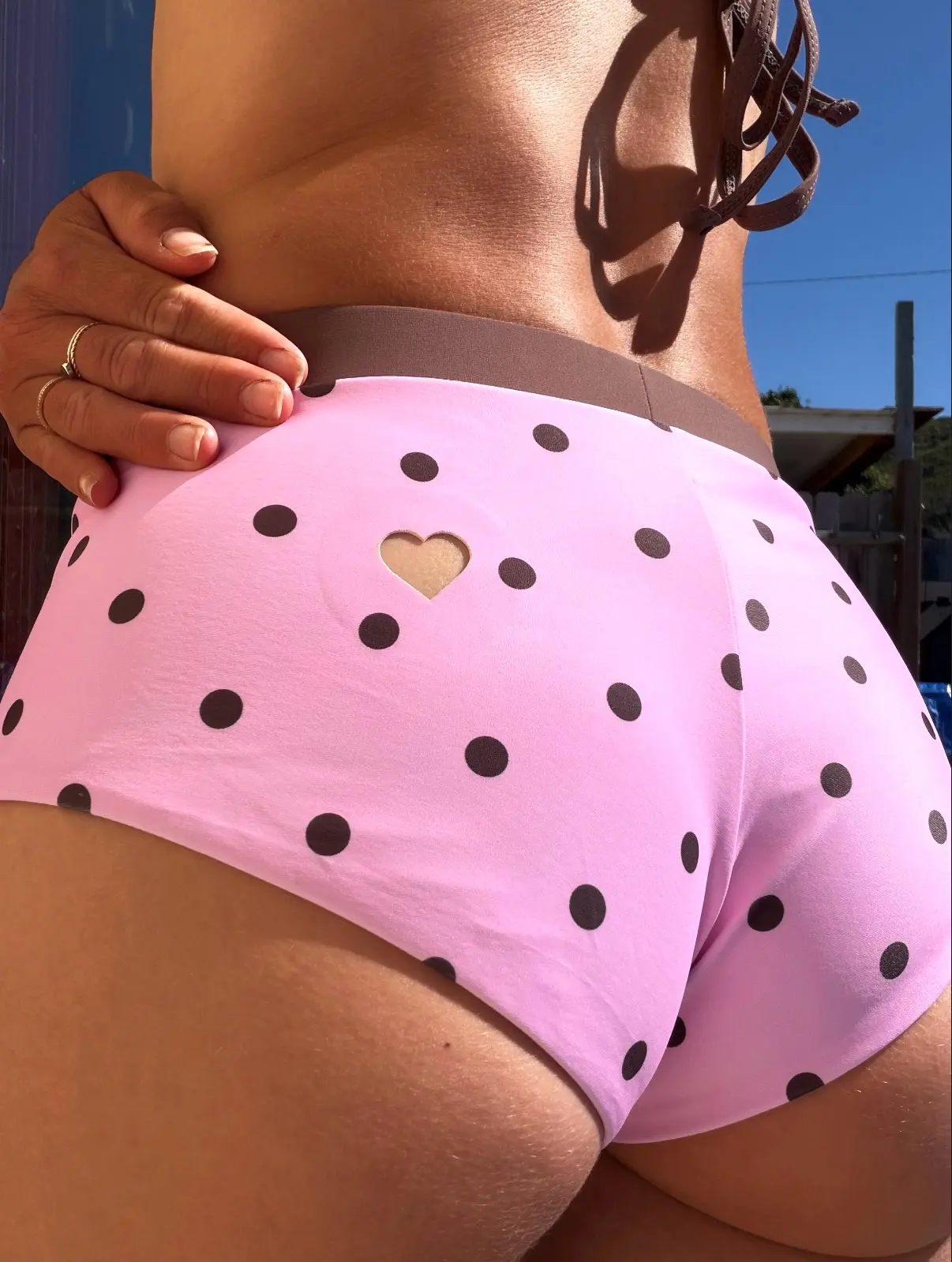
One-Piece Swimsuits
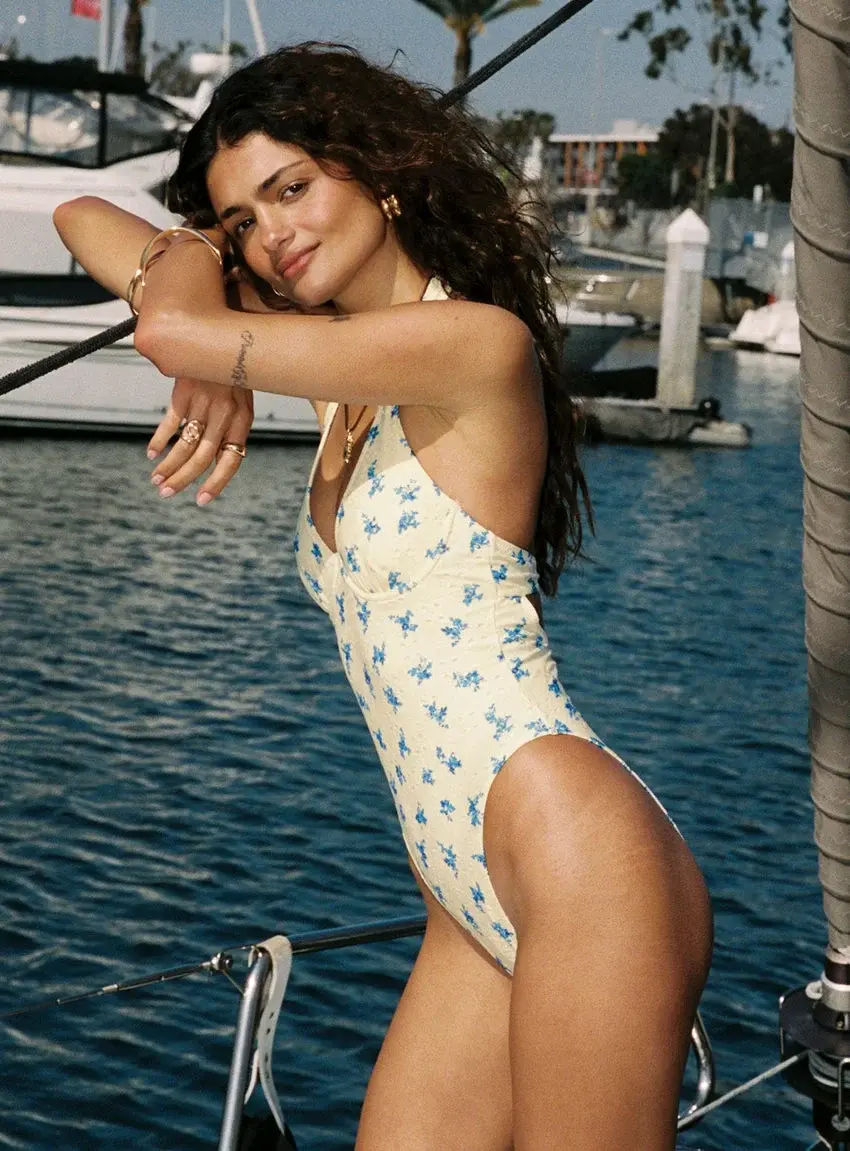
One-piece swimsuits cover a larger area, making the relationship between shell and lining particularly important.
A lining with unsuitable stretch characteristics can affect torso length, fit, and comfort.
Some fashion designs may use full lining, while supportive styles may combine smooth lining with selected reinforcement panels.
Brands should review the swimsuit in multiple positions and across the intended size range instead of relying on a single standing fit assessment.
What Should Brands Include in a Swimwear Lining Specification?
A clear lining specification helps prevent different interpretations during sampling and bulk production.
For each style, buyers should document the following information:
| Specification | What to confirm |
|---|---|
| Material composition | Fiber content and approved supplier reference |
| Fabric construction | Knit structure and relevant finishing details |
| Fabric weight | Approved GSM or agreed specification range |
| Stretch and recovery | Required behavior in relevant directions |
| Lining placement | Exact panels that require lining |
| Color | Approved color reference and acceptable appearance |
| Support requirements | Power mesh, shelf bra, cups, or reinforcement where needed |
| Construction | Seam treatments, attachment, and edge finishing |
| Performance checks | Wet opacity, fit, recovery, and other intended-use requirements |
A brand should also make clear whether the lining is required to be color-matched, contrast-colored, or suitable for a reversible construction.
For sourcing teams, one useful practice is to maintain a fabric and lining approval record for each style. That record can include swatches, supplier details, approved test results, and sample revisions.
This creates a consistent reference for reorders and helps reduce misunderstandings when the collection expands.
Common Swimwear Lining Problems and How to Avoid Them
Even a suitable material can produce disappointing results if the lining and outer fabric are not developed as a compatible system.
1. Transparency When Wet
Light-colored swimwear may appear opaque when dry but reveal more when wet or stretched.
Evaluate the selected shell and lining together, using a realistic stretch and wet-condition check. Test the actual approved colors rather than assuming that a dark sample represents every colorway.
2. Rippling or Uneven Fabric Tension
If the shell and lining stretch or recover differently, the finished swimsuit may develop ripples or uneven tension.
Compare the materials as a combined construction and review seam behavior during fitting.
3. Excessive Bulk
Heavy lining and double-layer construction can add unnecessary thickness around edges, seams, and gathered areas.
Consider lighter materials or selective lining where appropriate, then review coverage and fit before reducing layers.
4. Uncomfortable Support Panels
Overly firm power mesh or incorrectly positioned elastic may make a swimsuit feel restrictive.
Support should be engineered around the garment's intended fit, not added simply because a material is described as compressive.
5. Inconsistent Bulk Production
A well-fitting sample does not guarantee consistency if the lining material, color, or construction changes before production.
Keep an approved reference sample and ensure bulk fabric and construction follow the agreed specifications.
Choosing Lining During Custom Swimwear Development
For swimwear brands, lining selection should be part of the early design process rather than a last-minute production decision.
At MLY, our customization process includes confirming fabric, color, sizing, and other product details before production.
For a new collection, a practical development sequence is to establish the intended fit and coverage, compare suitable lining materials, document the selected construction, and review the finished sample before approving bulk manufacturing.
When preparing a development request, share your design sketches, target fabric, intended market, lining preferences, and any specific support requirements.
This allows the discussion to focus on the complete garment rather than treating lining as an interchangeable accessory.
Frequently Asked Questions
What is the best fabric for swimsuit lining?
There is no single best lining fabric for every swimsuit. Nylon-spandex and polyester-spandex knits are common options, while self-lining and power mesh suit particular design requirements. The right choice depends on comfort, stretch, coverage, support, and compatibility with the outer material.
Is power mesh the same as regular swimsuit lining?
No. Power mesh is generally used for targeted shaping or support, while a standard lining may be selected primarily for comfort and coverage. A garment may combine both materials.
Does every swimsuit need full lining?
Not necessarily. Lining coverage depends on the garment's design, shell fabric, opacity, construction, and intended use. Some styles require extensive coverage, while others use partial lining. The finished product should be evaluated for comfort and adequate coverage under realistic conditions.
Can the same fabric be used for the outside and lining?
Yes. This is called self-lining. It can work well for certain double-layer or reversible designs, but additional fabric thickness can affect fit and seam construction.
How can brands check whether a swimsuit lining is suitable?
Review the full garment rather than the lining swatch alone. Check wet opacity, stretch and recovery, seam comfort, support, and fit across the intended size range. Confirm the materials and construction in an approved sample before bulk production.
Final Thoughts
Selecting the right swimwear lining involves more than choosing a soft fabric. Brands need to understand the difference between lining materials, coverage constructions, and internal support options.
A well-specified lining can contribute to a swimsuit's comfort, appearance, and intended fit, while thoughtful sampling helps identify problems before production.
Whether you are developing bikinis, fashion one-pieces, or supportive swimwear, accurate material specifications and clear sample approvals are essential to creating a consistent collection.
If you are planning a new private label swimwear line, contact our team to discuss your designs, fabric preferences, and customization requirements.