
What Is a Septic Tank Cleaner and How Does It Work?
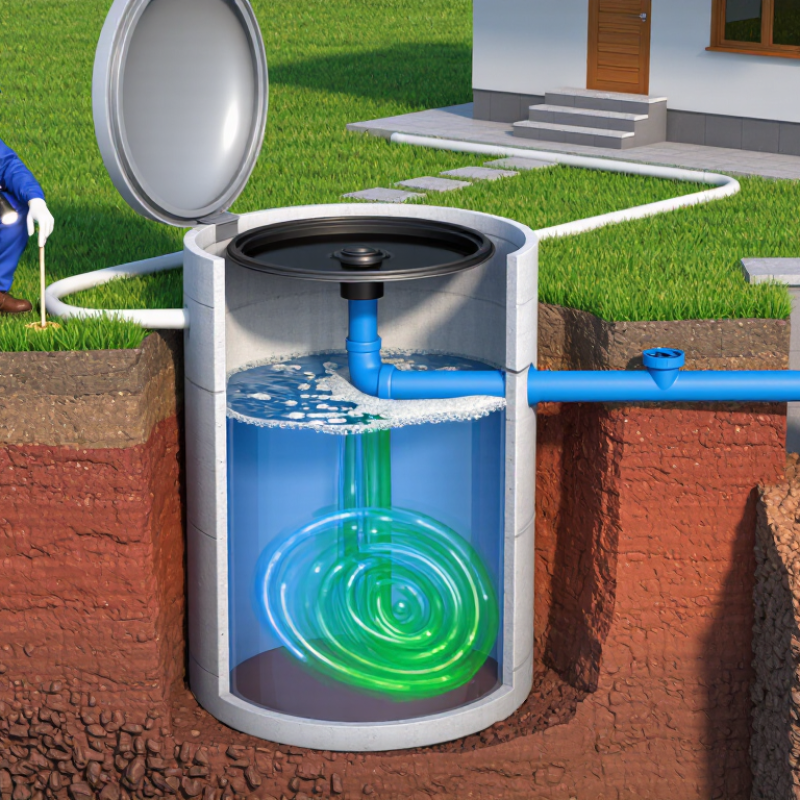
A septic tank cleaner is a product or service designed to support septic system maintenance. It may contain biological additives, enzymes, or specialized cleaning methods. The goal is usually to break down organic waste and reduce buildup inside the tank. However, these solutions do not replace routine pumping or professional inspections.
A healthy septic system depends on balanced bacteria, proper water use, and regular care. When a septic tank cleaner contains beneficial microorganisms, those organisms may help digest certain waste materials. Enzyme-based formulas can target specific compounds, such as fats or proteins. Results vary. Temperature, tank condition, chemical exposure, and waste levels all affect performance.
It is not a magic fix.
Experienced septic professionals often inspect the tank before recommending any cleaner. They may check sludge depth, scum layers, inlet pipes, outlet filters, and drainage behavior. A strong sewage smell, slow drains, or wet ground near the drain field can indicate a deeper problem. Pouring more cleaner into the system may only delay necessary repairs.
This guide explains how septic tank cleaner products and services work, where they may help, and where their limits become important. It also considers safer maintenance habits, including conserving water and avoiding harsh chemicals. Some product labels make impressive claims, but independent evidence is not always consistent. That uncertainty deserves attention. Understanding the process helps homeowners make practical decisions without risking the tank, the soil, or the surrounding water.
What Is a Septic Tank Cleaner? Types, Uses, and EPA Standards
What Is a Septic Tank Cleaner and How Does It Work?
A septic tank cleaner usually means a service, product, or method used to remove tank waste. Professional pumping is the most dependable option. Technicians open the access lid, measure sludge, and remove settled solids with vacuum equipment. This restores usable tank capacity. It does not repair damaged pipes or drain fields.
Some products contain bacteria or enzymes. They claim to break down organic matter and reduce odors. Results can vary because tank biology, temperature, and waste levels differ. Chemical cleaners are another type, but they deserve caution. Strong solvents, disinfectants, and drain chemicals may disturb beneficial microbes or enter groundwater. A cleaner should never replace regular inspections and pumping. The label can mislead.
The U.S. Environmental Protection Agency generally promotes proper septic system management, not a universal “EPA-approved” cleaner. EPA guidance emphasizes conserving water, preventing grease and harsh chemicals from entering drains, and arranging professional inspections. Local authorities may set requirements for pumping, transport, and waste disposal. Check those rules before hiring a service. Ask for clear pricing, technician qualifications, and disposal records. Avoid products promising instant restoration or permanent drain-field repair. That promise is hard to defend. A practical maintenance record, showing service dates and tank conditions, supports better decisions over time.
| Category | What It Is | How It Works | Typical Use or Frequency | Important Safety or Regulatory Fact |
|---|---|---|---|---|
| Professional Septic Tank Cleaning | A service in which a licensed or qualified technician removes accumulated sludge and scum from the septic tank with specialized pumping equipment. | The tank is accessed through its inspection or service openings, and liquid, sludge, and floating scum are vacuumed into a service vehicle for approved disposal. | Many households need pumping approximately every 3–5 years, but the interval depends on tank size, household size, wastewater volume, and solids accumulation. | Cleaning should be performed by a qualified professional and coordinated with local public-health and wastewater regulations. |
| Bacterial or Enzyme Additive | A liquid, powder, or tablet marketed as a septic-system additive containing microorganisms, enzymes, or related biological ingredients. | These products are intended to supplement biological activity that already occurs naturally in a functioning septic tank. | Some products are used monthly or according to the package directions, although routine use is generally unnecessary for properly operated systems. | Wastewater authorities generally do not recommend relying on additives as a substitute for pumping, inspection, water conservation, and proper waste disposal. |
| Chemical Drain Cleaner | A strong chemical product designed to dissolve or break down localized clogs in household plumbing. | Oxidizing or caustic chemicals react with organic material, grease, or other blockage-forming substances inside a drain line. | Used only when appropriate for a plumbing blockage and strictly according to the product label. | Frequent or excessive use may harm plumbing, disrupt beneficial septic microorganisms, and introduce hazardous chemicals into the wastewater system. |
| Mechanical Drain Cleaning | A physical method using a plunger, hand auger, or drain snake to remove a blockage from a fixture or pipe. | The tool loosens, breaks through, or retrieves material obstructing the pipe without adding chemicals to the septic system. | Used when a sink, toilet, shower, or branch drain is slow or blocked. | Mechanical methods are often preferable to chemical cleaners when they can safely resolve the plumbing problem. |
| Septic Tank Inspection | An evaluation of the tank, inlet and outlet baffles, liquid level, sludge depth, scum layer, covers, and surrounding components. | A professional identifies structural damage, hydraulic problems, excessive solids, leakage, or signs of backup before they become major failures. | Inspection is commonly recommended when a property is purchased, when problems occur, and at intervals determined by system condition and local requirements. | An inspection does not remove solids; pumping is required when sludge or scum levels are excessive. |
| Septic Tank Effluent Filter Cleaning | Maintenance of a filter located near the tank outlet on systems equipped with an effluent filter. | The filter is removed and rinsed or cleaned to restore flow and prevent suspended solids from entering the drainfield. | Cleaning frequency varies with wastewater loading, filter design, and inspection results. | The filter should be handled carefully, and maintenance should follow the system design and local instructions. |
| Solids Removal | The removal of settled sludge and floating scum from inside the septic tank. | Pumping reduces the amount of solids that can flow into and clog the drainfield. | Required when inspection shows excessive accumulation; a common planning range is about every 3–5 years for many homes. | Solids removal is the primary meaning of septic tank cleaning; additives cannot replace this physical service. |
| Drainfield Protection | Practices that prevent untreated solids and excessive wastewater from reaching or overloading the soil absorption area. | Regular pumping, leak repairs, water conservation, and keeping vehicles and structures off the drainfield help preserve soil treatment capacity. | These practices are continuous and should be part of normal septic-system care. | Do not discharge grease, solvents, paints, pesticides, pharmaceuticals, or non-flushable materials into the system. |
| EPA-Related Standard | Federal guidance and environmental practices addressing septic-system operation, maintenance, wastewater treatment, and pollutant prevention. | Guidance emphasizes proper design, routine inspection, timely pumping, water-efficient use, and protection of groundwater and surface water. | Apply the recommendations throughout the life of the system and follow stricter state or local requirements when applicable. | The EPA generally does not certify or endorse individual septic additives or cleaners. Local authorities may impose additional requirements. |
| What Should Not Be Flushed | Materials that do not break down readily or that can damage the plumbing, tank biology, or drainfield. | Items such as wipes, paper towels, feminine hygiene products, grease, oils, solvents, and harsh chemicals can cause blockages or treatment problems. | Keep these materials out of toilets and household drains at all times. | Only human waste and ordinary toilet paper should generally be flushed, subject to local guidance and plumbing-system requirements. |