How to Choose Alpha Arbutin Powder in 2026?
Choosing Alpha Arbutin Powder in 2026 requires more than comparing prices or reading brightening claims. The market includes cosmetic-grade materials with different purity levels, particle sizes, packaging standards, and storage histories. A reliable decision begins with the intended formula. Serum? Cream? Water-based products may need different handling than anhydrous systems. Experienced formulators examine solubility, recommended use levels, pH compatibility, and the supplier’s technical guidance. They also check whether the ingredient suits the product’s target market and local cosmetic requirements. That practical step can prevent expensive reformulation later.
Quality evidence should be specific, current, and traceable. Request a certificate of analysis showing assay, microbiological results, moisture, and testing dates. Independent laboratory verification can strengthen confidence, especially when documentation looks incomplete. HPLC data matters because appearance alone cannot confirm identity or purity. Look for opaque, well-sealed packaging, lot numbers, and clear storage instructions. Excess heat and humidity can compromise sensitive powders over time. A trustworthy supplier explains origin, batch consistency, manufacturing controls, and support after purchase. Still, no checklist is flawless. Even experienced buyers can overlook transport conditions or unrealistic claims. A small pilot batch, stability review, and qualified safety assessment offer practical protection. The best choice balances evidence, formulation performance, supplier transparency, and responsible compliance. In 2026, careful verification remains more valuable than a low quote.
What Is Alpha Arbutin Powder and How Does It Work?
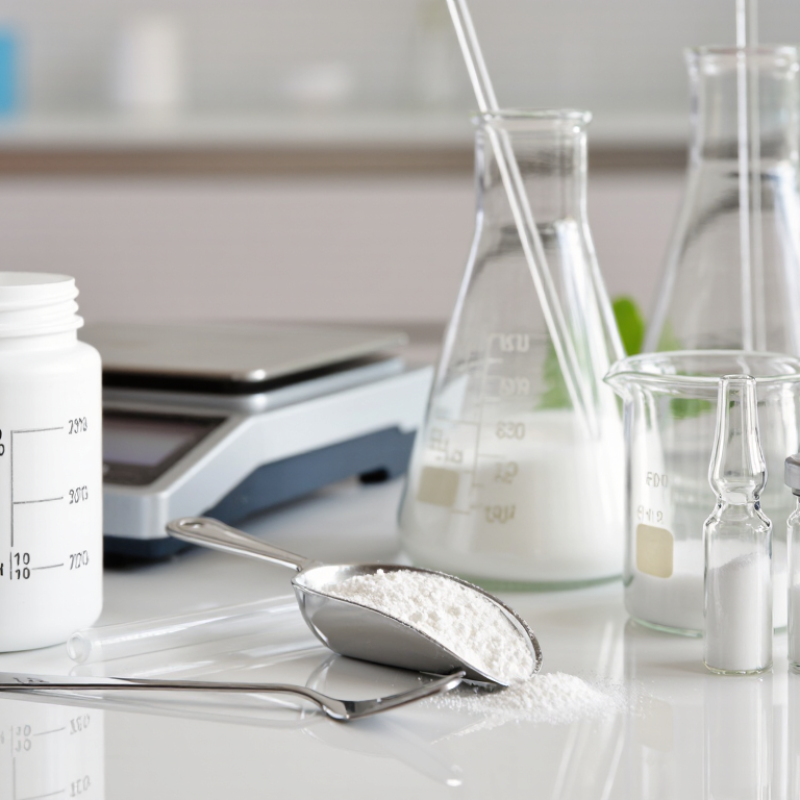
When people compare alpha arbutin powder in 2026, they should begin with its chemistry, not a glossy claim. Alpha arbutin is a glycosylated form of hydroquinone found in some plants and produced for cosmetic use. It is usually a fine, white powder that dissolves in water. Its purpose is not to bleach skin. It helps reduce the appearance of uneven pigmentation.
After topical application, alpha arbutin can inhibit tyrosinase, an enzyme involved in melanin production. Less tyrosinase activity may mean less pigment formed after triggers such as ultraviolet exposure. The result is gradual, not dramatic. Skin biology is rarely that simple.
When selecting a powder, check its certificate of analysis, assay results, impurity limits, moisture content, and microbiological testing. HPLC data is more useful than a vague “high purity” statement. Packaging also matters. Light, heat, and humidity can weaken sensitive ingredients. An opaque, tightly sealed container is practical. Formulators should confirm the recommended use level, pH range, solubility, and preservative compatibility. A small pilot batch can reveal cloudiness, crystals, or color changes. Those details matter more than a low price. Patch testing remains sensible, especially for reactive skin. Alpha arbutin is not an instant fix. Sun exposure, skin condition, and formula quality also influence results. That uncertainty deserves attention.
How to Choose Alpha Arbutin Powder in 2026? — What Is Alpha Arbutin Powder and How Does It Work?
| Dimension | What to Know | What to Check When Selecting Powder |
| What it is | Alpha arbutin is a water-soluble skin-conditioning ingredient used in cosmetic formulations. It is a glycosylated form of hydroquinone. | Confirm the ingredient identity and intended cosmetic use in the supplier’s technical documentation. |
| How it works | It is used to help reduce the appearance of uneven skin tone by inhibiting tyrosinase, an enzyme involved in melanin production. | Look for evidence supporting the intended use and avoid claims that promise guaranteed or permanent skin lightening. |
| Purity and identity | Purity figures alone do not establish the quality or safety of a raw material. | Request a recent certificate of analysis (CoA), identity testing, assay results, and applicable impurity data for the specific lot. |
| Physical appearance | Appearance can vary with manufacturing and storage conditions; it is not a substitute for analytical testing. | Compare the product description and lot specifications with the actual material. Investigate unexpected changes in color, odor, or texture. |
| Solubility | Alpha arbutin is generally formulated in the water phase. Solubility and clarity can depend on concentration, temperature, pH, and other ingredients. | Review the supplier’s solubility guidance and test the powder in the complete formula rather than relying only on a basic water test. |
| Formulation stability | Heat, pH, light, and storage conditions can affect ingredient stability in a finished product. | Check recommended processing conditions and conduct stability testing on the finished formulation, including its intended packaging. |
| Dosage and compliance | Permitted use levels and requirements can differ by market and product type, and regulations may change. | Verify current local cosmetic regulations and obtain qualified regulatory advice before setting a use level or making product claims. |
| Safety assessment | Finished-product safety depends on concentration, exposure, formulation, and intended use; suitability should not be assumed from the raw ingredient alone. | Ask for relevant safety documentation and assess the finished product through the appropriate safety and regulatory process. |
| Traceability | Consistent sourcing and lot control help support quality management and investigation of potential issues. | Request batch-specific documentation, manufacturing and shelf-life details, storage instructions, and a clear traceability process. |
| Storage and handling | Moisture, heat, and unsuitable storage may affect powder quality over time. | Follow the product’s stated storage conditions, keep packaging tightly closed, and observe the documented retest or expiry date. |
Which Purity and Specifications Should You Check?
How to Choose Alpha Arbutin Powder in 2026?
Which Purity and Specifications Should You Check?
A purity claim such as “98%” is only a starting point. Ask for a recent certificate of analysis showing the assay method, test result, batch number, and date. High-performance liquid chromatography (HPLC) can help verify identity and assay. Check water content, residual solvents, and elemental impurities too. A white, free-flowing powder may look reassuring, but appearance cannot confirm purity. Supplier specifications should state test methods and acceptance limits, not just ideal values.
Tips: Compare batches, not just suppliers. Request chromatograms or independent laboratory results when available. Review storage guidance; moisture and heat can affect powder handling and stability. For microbial controls, ask how the material is tested and whether the method suits cosmetic ingredients. ISO 17516:2014 provides microbiological limits for finished cosmetics, not a universal raw-powder purity standard, so do not treat it as one.
Check the intended finished-product concentration separately from raw-material assay. The European Commission’s Scientific Committee on Consumer Safety, in opinion SCCS/1552/15, concluded alpha-arbutin was safe at up to 2% in face creams and 0.5% in body lotions under its assessed conditions. Those figures do not establish a powder specification. Small details matter. I would still question any unusually high assay claim without traceable batch data; supplier paperwork can be incomplete, and one test never answers everything.
How to Choose Alpha Arbutin Powder in 2026? Which Purity and Specifications Should You Check?
How to use this: The chart shows the SCCS-recommended maximum concentrations in finished cosmetic products—not a powder-purity grade. When sourcing powder, check the certificate of analysis for assay and test method, hydroquinone impurities, identification, batch number, and relevant microbiological and heavy-metal results. Request current, batch-specific documentation; do not treat a supplier’s purity claim as a regulatory limit.
Source: European Commission Scientific Committee on Consumer Safety (SCCS), Opinion on α-arbutin (SCCS/1642/22, adopted 2023). Confirm applicable regulations and product requirements in your market.
How to Evaluate Suppliers and Manufacturing Standards
How to Choose Alpha Arbutin Powder in 2026?
How to Evaluate Suppliers and Manufacturing Standards
A supplier’s specification sheet is a starting point, not proof of quality. Check that it identifies alpha arbutin clearly, states assay limits, and lists relevant impurity tests. Ask for a recent certificate of analysis tied to the exact batch you may purchase. Look for test methods, results, dates, and laboratory identification. A number without a method tells you little.
Ask how the powder is manufactured, tested, and protected from moisture and heat. Review documented quality procedures, batch traceability, and change-control practices. If a supplier claims an audited quality system, request current supporting records rather than relying on a logo or sales page. Packaging matters, too: inspect the proposed container, seal, and storage guidance. Small details count.
Request a sample and compare its documentation with the commercial batch records. Confirm that the supplier can explain deviations plainly and provide a retained sample policy. I would not treat a polished brochure as evidence. Nor would I assume every certificate has equal weight. Some paperwork can look complete while leaving test conditions unclear. That deserves a follow-up question, even if the supplier seems experienced. A careful review takes time, and it can still miss things.
How to Verify Safety, Stability, and Authenticity
How to Choose Alpha Arbutin Powder in 2026?
How to Verify Safety, Stability, and Authenticity
A pale, free-flowing powder is not proof of quality. Ask for a current certificate of analysis tied to the specific lot, not a generic sample document. Check the stated identity, assay, moisture, and impurity results, then confirm the test methods and laboratory details. If a supplier cannot explain a result clearly, pause. Paperwork matters.
Stability needs practical evidence. Request storage conditions, shelf-life support, and data from tests that reflect the intended packaging. Heat, humidity, and light can affect a powder during shipping or storage, so inspect the sealed container and record its lot number on arrival. Keep a retain sample if possible. Small details help.
Authenticity is stronger when records connect: lot number, manufacturing date, analysis report, and shipment documents should agree. Where available, use an independent laboratory to verify identity and key specifications. Do not rely on appearance or a low price alone. Even a tidy report can leave questions; test scope and sample handling matter. For a finished cosmetic, assess the formulation separately, since the raw material certificate does not establish the safety or stability of the final product.
How to Select the Right Alpha Arbutin Powder for Your Needs
Choosing alpha arbutin powder starts with matching the material to your intended formula. A face serum, lotion, and rinse-off product may need different dissolution and stability checks. Look for a clear specification sheet showing assay, identity, appearance, storage conditions, and batch number. A certificate of analysis should match the lot you are buying. Ask for relevant safety and handling documents, too. Small details matter.
Check the powder’s solubility and recommended formulation range before purchasing. Alpha arbutin is typically used in the water phase, but heat and pH can affect finished-product stability. Follow the supplier’s technical guidance, then test a small pilot batch. Watch for discoloration, crystals, or changes in texture over time. Keep the container tightly closed and away from moisture and direct light. Packaging should protect the powder during storage and shipping.
If the intended use is unclear, request clarification rather than guessing. I would not choose by price alone; a cheaper powder with vague documentation can create more work later. And one detail is easy to overlook: assess the finished formula, not just the raw ingredient. The powder may look fine, while the product behaves differently.