How to Choose the Best Moisturizing Dish Soap?
Choosing a dish soap can feel simple until your hands start feeling tight after a sink full of plates. A good Moisturizing Dish Soap should lift grease while remaining comfortable to use during ordinary kitchen cleanup. The label alone cannot tell you everything. Ingredients, scent, skin sensitivity, and the kind of messes you wash all deserve a closer look.
Start by checking the product’s intended use and ingredient information. Some formulas include glycerin or other moisturizing ingredients, but those do not guarantee that a soap will suit every person. If your skin is sensitive, consider a fragrance-free option and test a small amount before making it your everyday choice. A little caution helps. Also notice how much soap you need for a greasy pan, whether it rinses cleanly, and if the scent lingers on cups or utensils. These small details matter more than a bold promise on the bottle.
Price and packaging can help narrow the choices, but neither proves a formula is gentler or more effective. I used to assume that a richer-feeling soap would always be kinder to my hands; that is not a reliable rule. Water temperature, washing time, and repeated exposure can affect comfort, too. The sections ahead explain what to compare, which claims deserve a second look, and how to choose a Moisturizing Dish Soap that fits your routine without expecting it to solve every skin concern.
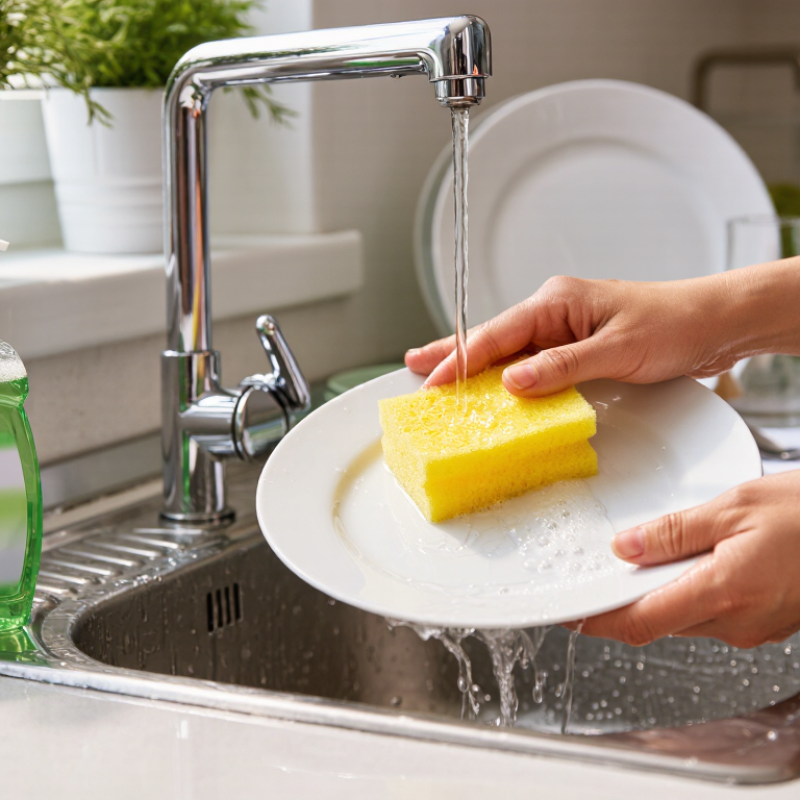
Understanding What Makes Dish Soap Moisturizing
Understanding What Makes Dish Soap Moisturizing
Dish soap needs surfactants to lift grease and food from plates. These ingredients can also remove some of the skin’s natural oils, especially during long washing sessions or frequent handwashing. A moisturizing formula tries to clean effectively while reducing that dry, tight feeling. It cannot prevent every reaction, though.
Look for ingredients such as glycerin, which helps attract and retain water, or emollients that soften the skin’s surface. Their presence may improve comfort, but the whole formula matters. Fragrance and certain preservatives can bother sensitive skin. “Moisturizing” on a label is not a promise that a soap suits everyone. Check the ingredient list, and pay attention to how your hands feel after use.
Small details count. Does the soap leave your fingertips comfortable after washing a greasy pan, or do they feel rough and tight? Water temperature and washing time matter, too; very hot water and repeated exposure can make dryness worse. A mild formula may help, but it does not replace hand cream when skin needs extra care. That distinction is easy to miss. If irritation persists, consider switching products and ask a qualified health professional for advice.
Identifying Your Skin Needs and Ingredient Preferences
Start with your hands, not the front-label promise. If your knuckles feel tight after washing or develop small cracks in winter, consider a mild, fragrance-free formula. “Moisturizing” dish soaps still contain cleansing agents, which may remove skin oils with frequent use. Look for glycerin or other humectants, and check whether fragrance or dyes bother your skin. A short ingredient list can be easier to assess, though it is not automatically gentler. Small detail. Notice how your hands feel ten minutes after washing, not only while they are wet.
Your routine matters, too. Washing greasy pans in hot water several times daily is different from rinsing a breakfast mug. Cooler water and reusable gloves can limit exposure, especially when skin is already sensitive. If you have eczema, allergies, or persistent redness, try a small amount first and ask a clinician about recurring symptoms. Even a well-chosen soap may not prevent dryness. It is easy to overvalue the word “moisturizing”; a label cannot predict exactly how your skin will respond. Track changes for a few days, then adjust your choice.
Evaluating Grease-Cleaning Performance and Formula
A moisturizing dish soap should remove grease without leaving hands feeling tight. Judge cleaning performance on the dishes you actually wash. Put a teaspoon of cooking oil on a plate, add a small amount of soap, and wash with warm water. Notice how quickly the oily film lifts, how much rinsing is needed, and whether the plate feels slick afterward. One quick test is useful, but it cannot represent every meal.
Check the formula as well as the front label. Glycerin and other humectants may help reduce that dry, stripped feeling, but “moisturizing” does not guarantee comfort for everyone. Fragrance and some cleansing ingredients can bother sensitive skin. If your hands react easily, choose a simpler formula and try it for a few washes. No sink-side test is perfect; water hardness, grease, and how long you wash all affect the result. I would not judge by foam alone. More bubbles do not automatically mean better grease removal.
Tips: Use the same amount of soap and water for a fair comparison. Check your hands after washing and drying, not just while they are wet. If they feel irritated, switch products or wear dishwashing gloves.
Checking Fragrance, Safety, and Environmental Factors
When choosing moisturizing dish soap, treat fragrance as a safety question, not just a scent preference. A 2016 peer-reviewed survey by Anne Steinemann, published in Air Quality, Atmosphere & Health, found that 34.7% of respondents reported health problems from exposure to fragranced consumer products. The survey covered many product types, so it does not predict how any one dish soap will affect you. Still, if scented products bother you, choose fragrance-free rather than “unscented,” which may contain masking fragrance. Check the ingredient list, and test a small amount before washing a sinkful of dishes. Small detail, real difference.
Moisturizing claims do not guarantee gentle handling. Repeated contact with hot water and detergent can leave hands dry, so use gloves if your skin reacts, and rinse dishes thoroughly. For environmental screening, look for clear ingredient disclosure and credible third-party criteria rather than a vague “green” claim. The OECD’s ready-biodegradability tests use a benchmark of at least 60% degradation within 28 days under specified test conditions. That is useful context, not proof that a product has no environmental impact. A bottle’s dose matters, too: pouring extra soap into a basin creates more residue to rinse away. I admit labels can be hard to compare, and a pleasant scent is tempting; neither tells the whole story.
Comparing Products for Value and Everyday Use
When comparing moisturizing dish soaps, look beyond the bottle price. A larger container may cost less per ounce, but it is poor value if you need extra squirts for greasy pans. Test a similar amount in the same sink: a teaspoon, warm water, and a few plates reveal more than a shelf label. Small test. Note how well it cuts oil, how quickly it rinses, and whether dishes feel slick afterward.
Comfort matters during everyday washing, but “moisturizing” does not mean the soap will prevent dry skin. Check the ingredient list for added humectants or emollients, while remembering that formulas vary and labels do not predict everyone’s experience. Fragrance-free options may suit people who dislike lingering scents. If your hands become tight after a week, that observation matters more than a soft-feeling bottle.
For a fair comparison, track the cost per week and the number of loads, not just the advertised volume. Note whether the soap works in cool water and on a dried-on oatmeal bowl, too. A pump can reduce spills, though it may dispense more than needed. I sometimes overestimate how little soap I use. That is worth checking. Choose the product that cleans reliably, rinses without residue, and feels comfortable at a sensible cost for your routine.
How to Choose the Best Moisturizing Dish Soap?
Compare bottle sizes by estimated washes, then divide the shelf price by the estimated number of washes to assess value for everyday use.
How to read this chart: Estimated washes equal bottle volume divided by 5 mL. Bottle sizes are comparison examples, not a survey of products; actual use varies, so follow the dose on the product label. For value, compare price per estimated wash, and check ingredient and skin-sensitivity information when choosing a moisturizing formula.