
How to Choose the Best Hiking Shoes for Men in 2026?
Choosing Hiking Shoes For Men in 2026 is less about chasing a “best” label and more about matching the shoe to your trails, feet, and pack. A rocky descent near dusk demands different support from a dry, packed path. Fit matters, too: a shoe that feels fine in a shop may rub after several miles.
The Outdoor Industry Association’s 2024 Outdoor Participation Trends Report counted 175.8 million U.S. outdoor participants in 2023, or 57.3% of the population. That broad figure is not a hiking-shoe sales statistic, but it shows how many people rely on outdoor footwear. For a useful professional perspective, podiatrist Dr. Emily Splichal’s work on foot function offers a practical lens: consider how your feet move, not just the size printed on the box. Treat that as guidance, not a guarantee; no single fit suits every hiker.
In this guide, we’ll compare trail grip, cushioning, stability, weight, waterproofing, and toe-room. We’ll also explain how to test fit on an incline, where toes can press forward and heels can lift. Bring the socks you plan to hike in. Walk, turn, and step down. Small details count. A snug heel can help prevent slipping, while cramped toes may become painful on long descents. Still, specs cannot predict every blister or hot spot. Your own trail test matters.
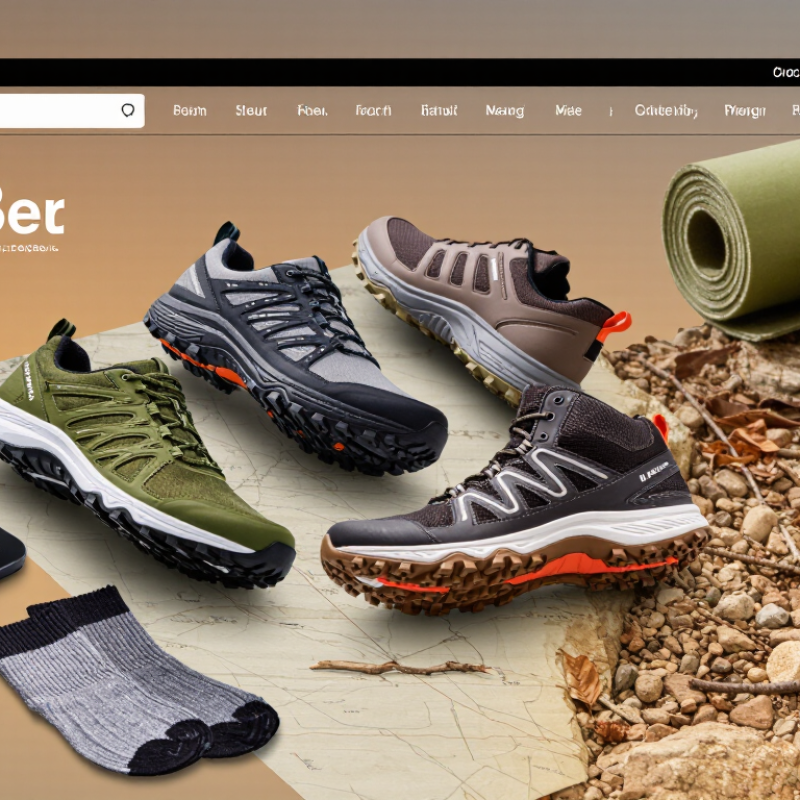
Identify Your Hiking Terrain, Distance, and Weather Needs
How to Choose the Best Hiking Shoes for Men in 2026?
Identify Your Hiking Terrain, Distance, and Weather Needs
Start with the ground beneath your feet. Dry, packed trails usually need less aggressive tread than muddy slopes or loose gravel. For rocky routes, look for a stable sole and enough protection underfoot to soften sharp edges. Roots and uneven ground call for a secure fit; excess movement can lead to blisters. Try shoes on with your usual hiking socks. A little room at the toes matters on descents.
Distance changes what feels comfortable. A short, flat walk may not require heavy cushioning, while a full-day route can expose pressure points you barely notice at home. Walk around in the shoes, then test them on an incline if possible. Your heel should stay put, and your toes should not hit the front. Feet can swell during long hikes. That detail is easy to underestimate.
Match the shoe to typical weather, not just the forecast for one trip. Waterproof materials can help on cold, wet trails, but may feel warm during humid summer hikes. Breathable designs often dry faster after a splash, though they offer less protection in steady rain. Wet stone can be slippery even with deep tread. It’s tempting to choose the toughest-looking pair, but heavier shoes may tire you sooner. Fit still deserves more attention than appearance.
How to Choose the Best Hiking Shoes for Men in 2026? — Identify Your Hiking Terrain, Distance, and Weather Needs
| Hiking Scenario | Terrain and Weather | Typical Distance and Load | Suitable Shoe Type | What to Prioritize | Key Trade-Off |
|---|---|---|---|---|---|
| Local trails and day hikes | Mostly maintained dirt paths, gravel, or packed soil; generally dry conditions | About 2–8 miles; light daypack | Lightweight hiking shoe or trail shoe with a stable, protective sole | Comfortable fit, dependable grip, flexible movement, and enough underfoot protection for occasional rocks | A lighter shoe can feel less protective on sharp or uneven ground than a sturdier hiking shoe. |
| Rocky or uneven mountain trails | Loose stones, roots, steep sections, and uneven surfaces; conditions can change quickly | About 4–12 miles; light to moderate pack | Supportive hiking shoe with a firm, protective sole | Secure heel hold, stable footing, durable upper, and a tread pattern suited to mixed terrain | A firmer, more structured shoe may feel heavier and less flexible on easy paths. |
| Long day hikes or heavier daypacks | Mixed terrain, including long stretches of hard-packed trail and occasional rough sections | About 8–15 miles; moderate pack | Cushioned, supportive hiking shoe; consider a mid-height model if it improves fit and comfort | Secure lacing, adequate cushioning, a stable platform, and room for toes to move on descents | More cushioning and structure can add weight; ankle coverage does not replace careful foot placement. |
| Wet, muddy, or frequently rainy trails | Wet grass, mud, shallow puddles, and rain; water depth and trail conditions vary | Any day-hike distance; choose based on terrain and pack weight | Waterproof hiking shoe for persistently wet conditions, or a quick-drying, breathable shoe for wet conditions with frequent water crossings | Secure traction, a close-fitting upper, and a waterproof or fast-drying construction suited to the expected exposure | Waterproof shoes can retain heat and dry more slowly if water enters over the collar; breathable shoes usually offer less protection from rain. |
| Hot, dry-weather hiking | Sun-exposed trails, dry ground, and warm temperatures | About 2–12 miles; light to moderate pack | Breathable, lightweight hiking shoe or trail shoe | Ventilated materials, low weight, a secure fit, and enough sole protection for the trail surface | Highly breathable uppers provide less protection from rain, cold, and debris. |
| Multi-day backpacking | Variable terrain and weather; long days with a loaded pack | Multiple days; heavier pack than a typical day hike | Supportive hiking shoe or hiking boot, selected according to pack weight, terrain, and personal fit | Comfort over repeated long days, a stable sole, durable construction, and a fit tested with hiking socks and the intended pack | Sturdier footwear may increase weight; a higher collar is not a guarantee against sprains. |
Fit check: Try shoes on with the socks you plan to hike in. Your heel should feel secure, while your toes should have room to spread and should not strike the front on a downhill slope. Fit and comfort vary by foot shape, so test shoes before a long hike.