What Is the Best Green Matcha Powder from China?
What is the best Green Matcha Powder from China? The answer depends on more than color, price, or attractive packaging. A reliable choice begins with the tea cultivar, growing region, harvest season, and milling method. In China, matcha-style powder may come from Zhejiang, Anhui, Guizhou, or other tea-producing areas. Each region can create different aromas, bitterness, sweetness, and textures.
Professor Xia Tao, a respected Chinese tea scientist, explains, “Tea quality is shaped by the leaf, the process, and the place.” This practical view matters when comparing Green Matcha Powder. Look for finely milled powder with a fresh green appearance, a clean grassy aroma, and a smooth finish. The powder should dissolve evenly, although some natural settling is normal. A dull brown color may suggest age, oxidation, or poor storage. Not always, though.
Packaging also deserves attention. Check the harvest date, origin, processing details, batch information, and independent laboratory testing. A trustworthy supplier should explain whether the powder is intended for drinking, baking, or blended beverages. Ceremonial-style claims can be vague, especially in international markets. Taste remains important.
Try a small sample first. Notice the aroma when the pouch opens. Then whisk one gram with warm water and observe the foam, body, bitterness, and aftertaste. No buying guide is flawless. Personal preference still matters. Some drinkers prefer bright sweetness, while others enjoy a stronger, roasted character. This guide examines those differences carefully, helping readers choose Green Matcha Powder with clearer expectations and better evidence.
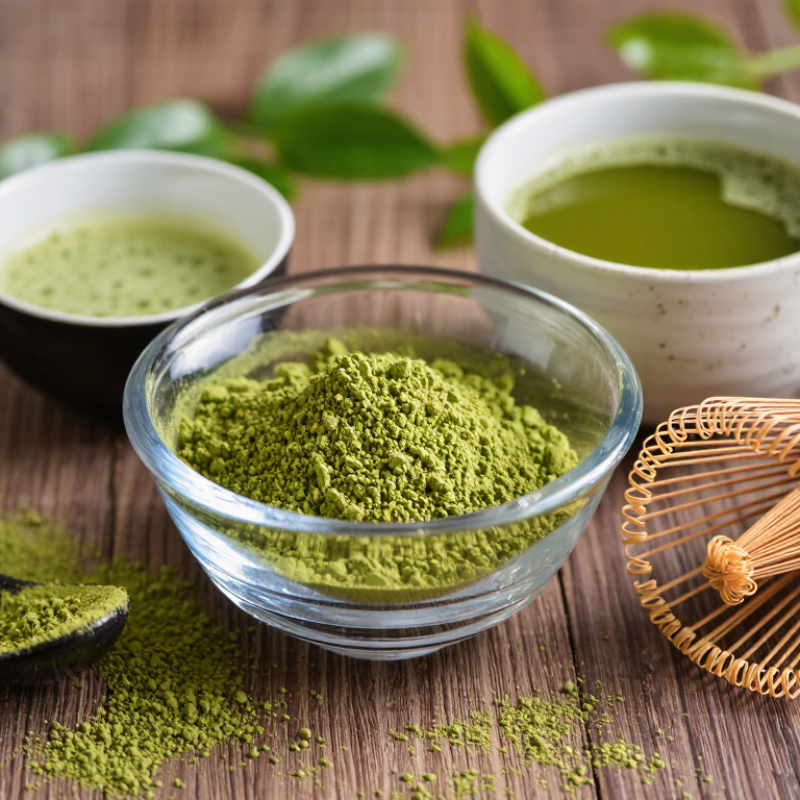
Define Matcha: Tencha, Shade-Growing, and Industry-Standard <20-µm Milling
What Is the Best Green Matcha Powder from China?
Matcha is not simply green tea ground into powder. True matcha begins with tencha, a leaf material steamed, dried without rolling, and stripped of stems and veins. Shade-growing usually lasts about 20–30 days before harvest. This reduces bitterness and supports higher levels of L-theanine and chlorophyll.
Japan’s annual tea production 75,000 metric tons The USDA Foreign Agricultural Service Japan Tea Annual Report 2024 places Japan’s annual tea production at roughly 75,000 metric tons, yet matcha remains a specialized fraction.
Global tea production in 2022 6.5 million metric tons FAOSTAT records more than 6.5 million metric tons of global tea production in 2022.
Scale does not equal matcha quality.
For Chinese green matcha, ask for documented tencha processing, shading duration, harvest season, and laboratory testing. A bright emerald color helps, but it proves very little. I would not judge quality by color alone. That shortcut fails.
ISO 11287 defines green tea categories, while ISO 13320:2020 supports laser-diffraction particle-size testing. A particle size below 20 µm is a useful premium-processing benchmark, not a universal legal definition. Finer milling can create a smoother mouthfeel and more even suspension. It can also increase heat exposure during production.
Buyers should request particle-size results, moisture data, pesticide-residue testing, and heavy-metal reports. The best powder is therefore traceable, finely milled, shade-grown, and made from genuine tencha—not merely a vivid green tea dust.
Compare Chinese Origins Using 2023 Production and Cultivar Data
What is the best green matcha powder from China? The answer depends on origin, cultivar, and processing discipline. China produced roughly 3.5 million tonnes of tea in 2023, yet official matcha-only figures remain difficult to separate from broader green tea statistics. That gap matters. A supplier quoting total tea production as matcha output may be overstating its scale.
Zhejiang remains a strong reference point for fine, fresh matcha. Longjing 43 often produces a bright green cup with chestnut sweetness and a clean finish. Jiukeng can offer a fuller body, though its color may appear less vivid. In Guizhou, high-altitude gardens and cooler spring conditions can support softer bitterness. Sichuan and Hubei also contribute commercial-grade powder, commonly from adaptable cultivars such as Zhongcha 108 or mixed local tea plants. Cultivar records are not always uniform across farms, so laboratory or field documentation deserves attention.
During sensory checks, I look for a fine, talc-like texture, a fresh seaweed aroma, and bitterness that fades quickly. A dull olive color can suggest older leaf material or poor storage. However, color alone can mislead; shade level, steaming, grinding temperature, and harvest date all influence appearance. I would request the 2023 harvest location, cultivar name, milling method, and test reports before choosing. My own judgment is not flawless, especially when samples use different brewing ratios. A fair comparison needs identical water, temperature, and tasting time.
Measure Quality with ISO 14502-2 Catechins and 20–40 mg/g Caffeine
What Is the Best Green Matcha Powder from China?
The best green matcha powder should be judged by evidence, not color alone. A bright green appearance can suggest careful processing, but it cannot confirm freshness or composition. Request a recent laboratory report using ISO 14502-2 for catechin analysis. This method measures key catechins, including EGCG, through controlled chromatographic testing. Results should identify the batch, test date, sample basis, and laboratory method.
Caffeine also deserves careful attention. A practical range is 20–40 mg/g in the dry powder, equal to roughly 2–4% by weight. This figure is not the caffeine level in one prepared cup. Serving size, water temperature, and whisking affect intake. Cultivar, harvest timing, shading, and storage can shift both catechins and caffeine. Therefore, compare products tested under similar conditions. A single impressive number is not the whole story.
Tips: Ask whether results are reported on a dry-weight basis. Check moisture, heavy-metal, pesticide-residue, and microbiological testing. The report should match the lot number on the package. If a seller provides only a generic certificate, pause. It may not represent your batch. I would also smell a fresh sample for clean, vegetal notes. Aroma is useful, but subjective. My own judgment could be wrong. Pair sensory checks with documented testing, because neither taste nor laboratory data should stand alone.
What Is the Best Green Matcha Powder from China?
Measure quality with ISO 14502-2 catechins and a caffeine level of 20–40 mg/g.
The chart shows indicative analytical reference ranges commonly reported for powdered green tea. Catechin compounds can be quantified by HPLC using ISO 14502-2, while caffeine should be tested with a validated caffeine-specific analytical method. Actual results depend on cultivar, harvest, processing, storage, and laboratory testing.
Check Safety Against China GB 2763, EU MRLs, and COA Results
The best green matcha powder from China should pass a documented safety check, not win by color alone. A vivid emerald shade may reflect freshness, but it cannot prove low pesticide residues. China’s GB 2763-2021 lists 10,092 maximum residue limits for 564 pesticides, according to China’s National Health Commission. The relevant tea category and pesticide entry must match the product.
EU buyers need a separate review. The European Commission’s Pesticides Database shows that MRLs can differ by pesticide and commodity. When no specific EU limit applies, the default level may be 0.01 mg/kg, subject to the regulation and product classification. Do not copy a limit from ordinary green tea without checking powdered tea’s legal matrix.
A useful COA should identify the batch, sampling date, testing laboratory, analytical method, and reporting limit. It should list detected residues, not only state “pass.” Look for multi-residue testing using validated LC-MS/MS or GC-MS/MS methods, with results compared against both GB 2763 and applicable EU MRLs. Heavy metals, microorganisms, and moisture also deserve attention. A clean COA is valuable, but it is still a document, not a guarantee. Sampling can miss uneven contamination. I would request the original report and verify the laboratory’s accreditation before purchasing. Freshness matters, too. Store the sealed powder away from heat and humidity.